



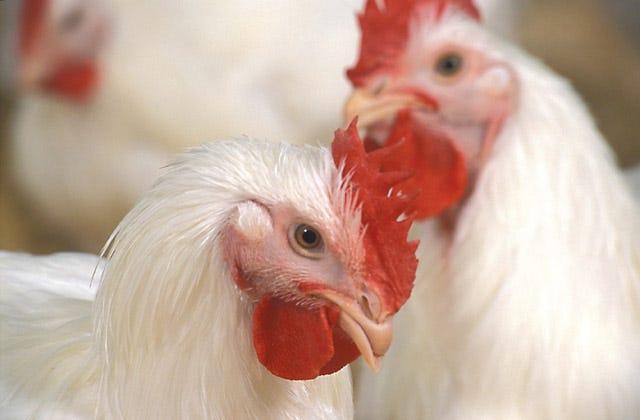

Powys bird owners have been told to watch out for signs of disease following an avian flu outbreak near Welshpool.
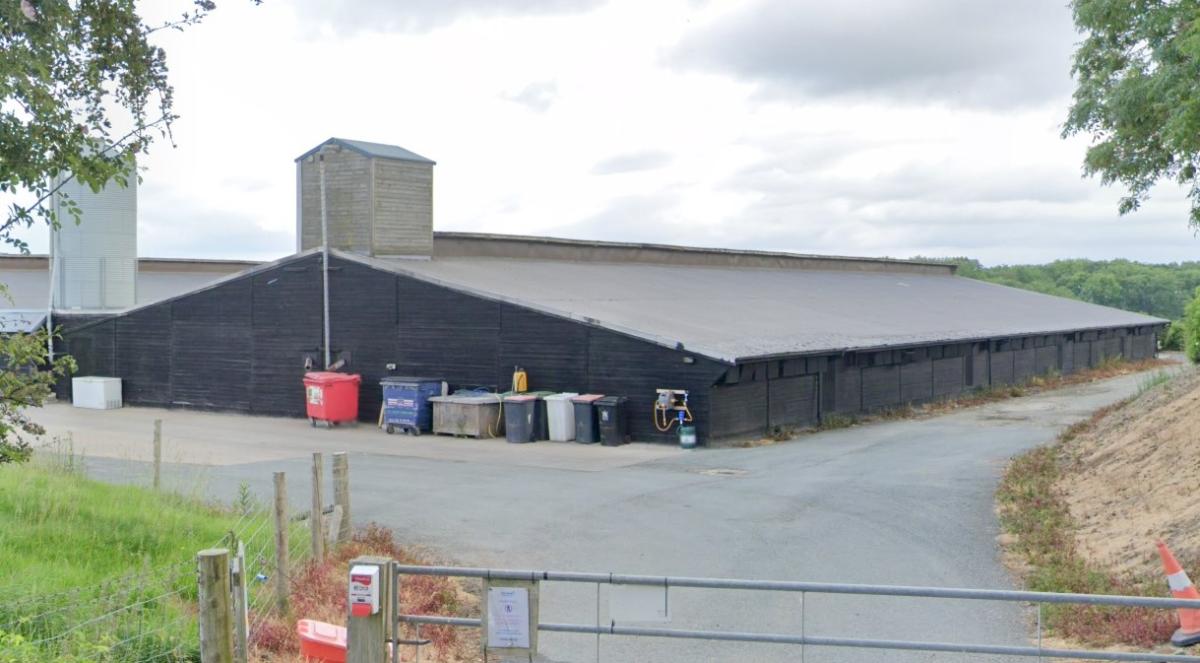
It comes after an outbreak was confirmed at a commercial poultry flock between Fron and Kingswood, near Forden on Sunday (November 9).
Restriction and surveillance zones have been put in place in the area to control the spread of the disease until further notice.

The order means that bird movements and gatherings are restricted and all holdings that keep birds must be declared.
All bird owners in Wales, whether pet, commercial or backyard flock, must continue to follow the mandatory biosecurity measures and complete the checklist until further notice.
Cllr Richard Church, Cabinet Member for a Safer Powys, said: “It is vital keepers of birds remain vigilant and ensure they have the very highest levels of biosecurity in place.
“It is also important people do not touch or pick up any sick or dead birds to avoid spreading the virus.
“Public health advice remains that the risk to human health from the virus is very low and food standards bodies advise that avian influenzas pose a very low food safety risk for UK consumers.”
Rules for birds keepers
All keepers of kept birds should be vigilant for signs of the disease such as increased mortality, respiratory distress and drops in food or water intake, or egg production.
Consult your veterinary surgeon in the first instance if your birds are unwell.
If you or your vet suspect that avian influenza could be causing illness in your birds, you must, by law, report this to the Animal and Plant Health Agency. This will trigger a disease investigation by APHA vets.
You must apply strict biosecurity measures to prevent any materials, equipment, vehicles, clothing, feed or bedding that could have been contaminated from wild birds coming onto your premises.
Anyone who finds a dead wild waterfowl, including swans, geese or ducks, or other dead wild birds, such as gulls or birds of prey, should report them to the Defra helpline on 03459 33 55 77.


Share