


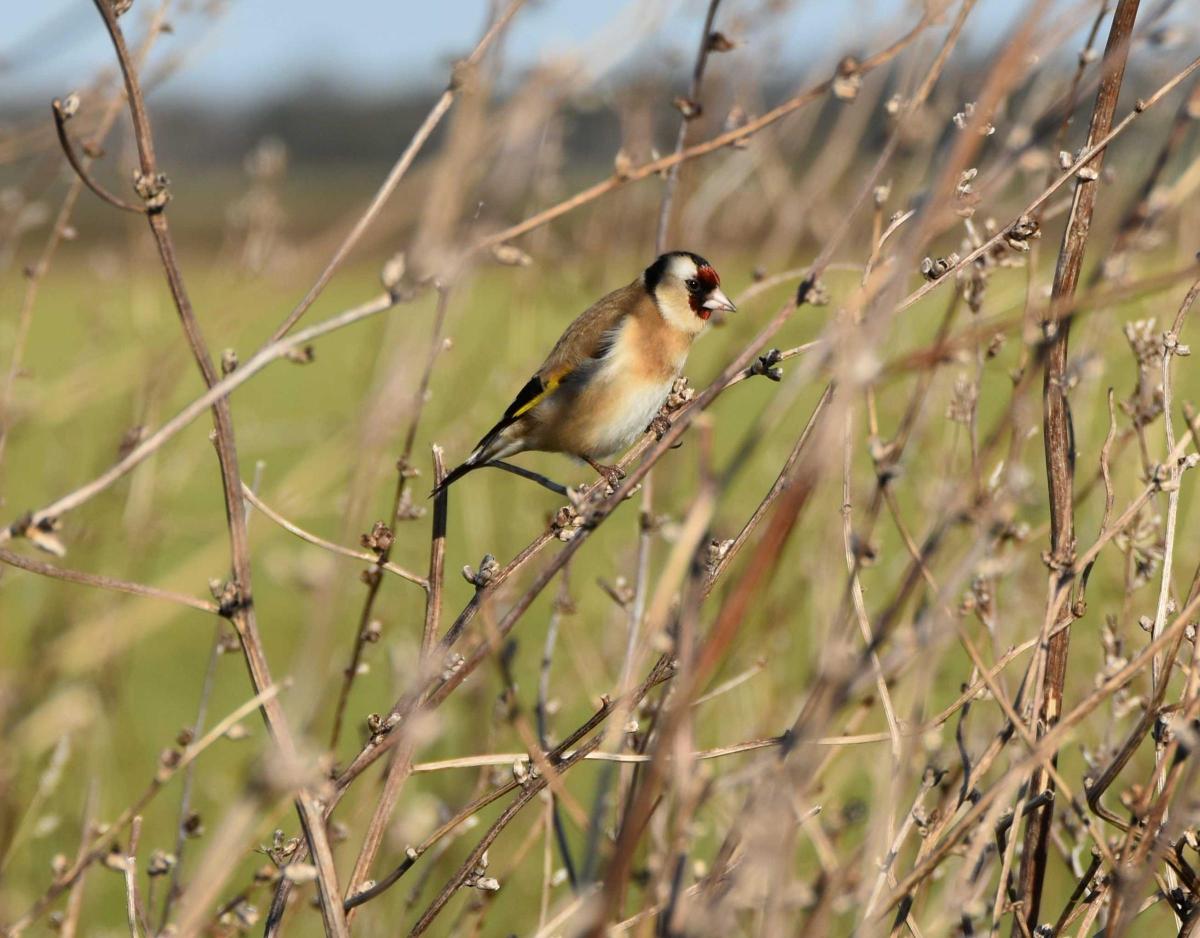
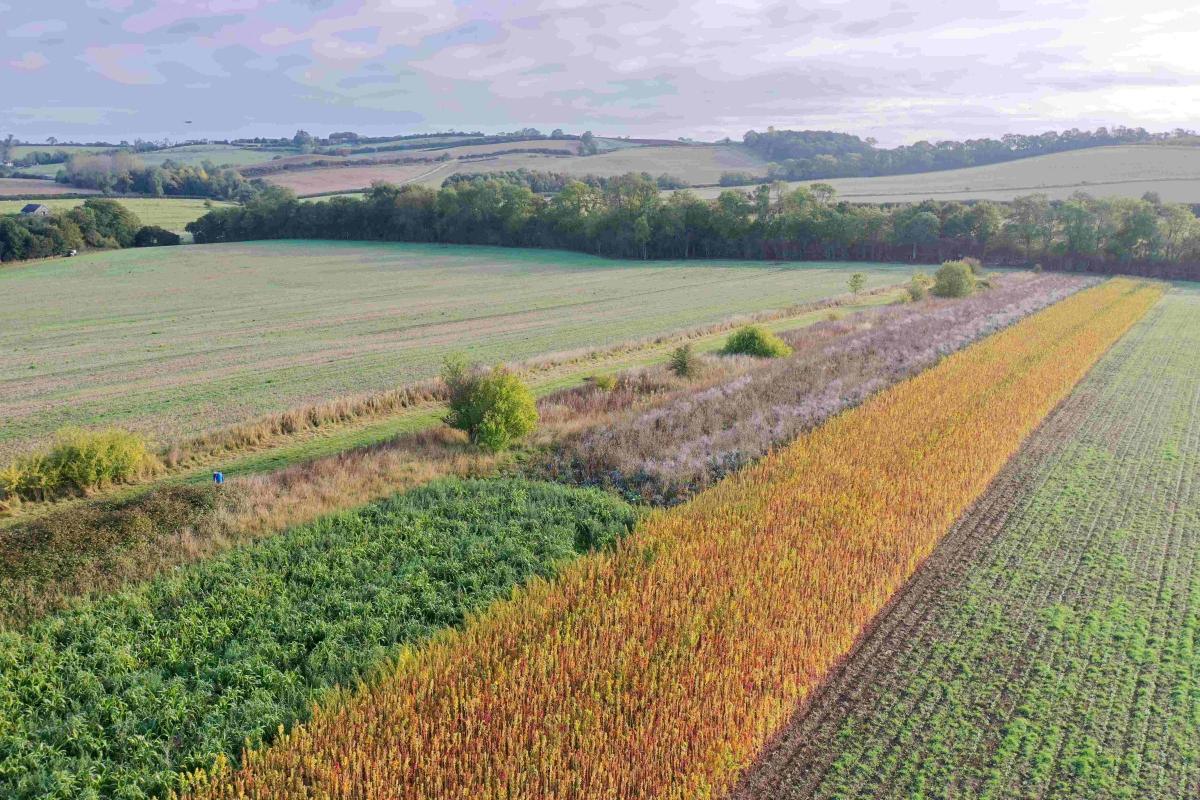

The national annual census of farmland birds is returning in February when it will be launched from its birthplace, the Game & Wildlife Conservation Trust's demonstration farm, the Allerton Project.
The concept for the Big Farmland Bird Count (BFBC), run by GWCT and supported by the NFU, was conceived by conservationists working at Allerton, based at Loddington in Leicestershire, and the first count was held in February 2014. It has been repeated every year since then.
For the past decade it has been providing vital data that has helped understand which species of farmland birds are in the most serious trouble and how we can help them.
Many of them have been in decline for the past 50 years, but there are ways in which we can help them during the winter months when food is scarce and temperatures drop. This is exactly what the BFBC tries to highlight.
The 2026 count begins on Friday 6th February and runs for two weeks, until 22nd February.
As well as providing snapshot of the bird population on UK farms, the BFBC aims to raise awareness of the important role that farmers and other land managers play in the conservation of our native farmland birds.
Next year, all data will be recorded on the new PerdixPro BFBC app. This will make the process of recording your results much simpler and farmers, rangers, game or forest keepers, ornithologists and other bird enthusiasts taking part can input counts either instantly as they record out in the field, or back inside from the comfort of their own home.
The app can be downloaded onto any mobile phone or tablet. There is still the option of filling in a paper version of the count sheet, and either sending it or inputting it yourself later.
All the details of how to take part, bird identification guides and count sheets, are available on the Big Farmland Bird Count website.
Keeping records
Farmland birds have declined by 63% since 1970 – that equates to 70 million birds in the past 50 years – and more than 60% of farmland birds have been affected by the declines.
They need help if we are going to reverse the trend. The key to doing this, and increasing biodiversity, is held by the people who look responsible for the 72% of the UK’s land which is used for agriculture.
Research at the Allerton Project has shown that by managing our land in a way that provides suitable habitat, such as sympathetic hedgerow management and supplementary feeding through semi-natural habitats and feeders, we can increase both the numbers and species of birds and mammals across the farm.
Joe Stanley, GWCT’s head of sustainable farming at the Allerton Project, says: “It’s fantastic to launch 2026’s BFBC from its birthplace here at the Allerton Project, where for more than three decades we’ve been demonstrating how food production and a thriving natural environment can go hand-in-hand.
“It took a mere three years to increase our songbird numbers by 75% showing what is possible on a working, commercial farm."
BFBC 2025 results
During this year’s count back in February, nearly 359,000 birds were spotted during 1,332 surveys. The most common species seen was starling. A total of 125 different species were recorded and of those, 26 were red-listed, totalling nearly 140,000 individuals.
The most abundant red list species were starling, lapwing, common gull, linnet and fieldfare, while the rarest sightings were of black grouse, bittern, greenshank and golden eagle.
Nearly 65% of farms participating were in agri-environment schemes and 44% provided supplementary feeding of their birds.
There were notable decreases in sightings of some species, including red-listed fieldfares which were down 52%, long-tailed tits which were down 27%, and curlew with a 25% drop, year-on-year. On a positive note, recordings of red-listed common gulls were up 112% and sightings of amber-listed kestrels had increased by 182%.
Find out how to get involved in the GWCT Big Farmland Bird Count, 6-22 February 2026, at bfbc.org.uk where downloadable bird guides and other advice are also available.
How to take part
Signing up for the GWCT Big Farmland Bird Count is free and no specialist knowledge or equipment are required, just the willingness to spend half an hour on the edge of a field to observe the birds around you. You do not have to be an expert and there are many useful tools, such as the free Merlin Bird ID app that can be used.
In many places, local bird and wildlife groups are working with farmers and land managers to help them do the count. Why not contact your local ornithological group to see if they can help.
- Download the PerdixPro Fieldbook app, or print off a count sheet. Head out and pick an area of the farm where you know birds like to gather.
- Pick a day between 6 and 22 February.
- Take a pair of binoculars and pick a spot on the edge of the field and out of the wind where you have a better chance of spotting more birds. Being near a hedgerow can be useful as many farmland birds will seek cover in hedges.
- Count your birds! Spend about 30 minutes recording both the species and number of birds seen on your chosen area of the farm.
- Once you've completed your count, simply submit your results through the app, or post them to us. If submitting through the app you can also have your own results emailed to you as a PDF or Excel document.
Bird ID guides, instructions, link to app, printable count sheets, are available at the BFBC website.


Share