



As unbelievable as it may sound, roll back Welsh farming two generations and it was possible to pay off the mortgage on a dairy farm by trapping rabbits to sell as meat.
Admittedly the farm in question was just 19 acres but for Maarten Davies’ grandfather, it was enough land to establish a small dairy herd and to make a decent living from it.
“The farm was mortgaged when he started farming and a lot of that loan was paid off through trapping rabbits,’’ Maarten recalls.
“Can you imagine someone these days saying: ‘I’m going to buy a farm and sell rabbits to pay for it’. It seems mad to think that it was possible but there just wasn’t the meat around at that time.’’
- Don't miss our next edition of Pembrokeshire Farmer, available free inside the Western Telegraph on December 31
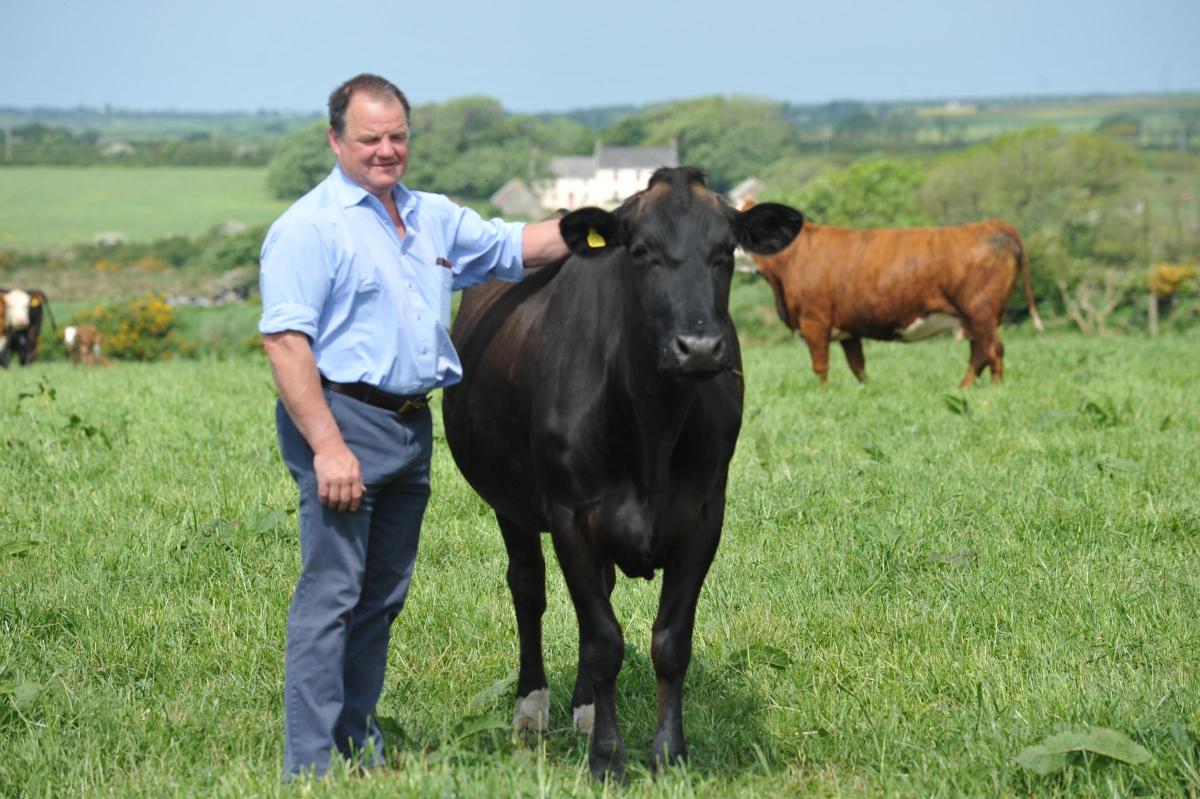
Fast forward to 2025 and Maarten produces beef and lamb at Parc Gwyn Farm near Llandeloy, Pembrokeshire, not far from those 19 acres that formed the foundations of the family business. It is now farmed by his cousin as Maarten’s father and uncle split their 600-acre partnership in 2003.
Since the death of his father, Raymond, eight years ago, Maarten farms 400 acres of owned and rented land in partnership with his mother, Anna.
The unusual spelling of his first name hails from his Dutch heritage – his maternal grandfather was Dutch and served on minesweepers during the Second World War.
Farming runs through his veins, so much so that, in his words: “I was born with my wellies on and hope to farm until they screw down the lid on my coffin!’’
He recalls one of his primary school teachers, Pembrokeshire pedigree Hereford breeder, Ionwy Thorne, then known as Miss Thomas, asking her pupils what job they aspired to.
“She would do this from time to time and my classmates would always have a different answer because they kept changing their minds but when she got to me she would joke that she wasn’t going to bother asking me because she knew what the answer would be – every time it was farmer.’’
He knows he made the right career choice not that farming has always been trouble-free, anything but, especially the challenges of bovine TB.
Maarten had been buying stores to fatten but has changed his business model to suckler production, taking the progeny through to finishing, after a four-year cycle of TB breakdowns.
Applying for a licence every time he wanted to buy stores was constraining and for any that he did purchase and were subsequently slaughtered due to TB, he only received compensation at half their market value, making it uneconomic.
The threat of reinfection hangs heavily over Maarten and is a constant worry.
As he reflects on the four years that he was subject to movement restrictions and repeated testing he says: “It changes you as a person, I became a person I didn’t like. You are just so frustrated by the whole thing.
“The farm doesn’t feel like yours any more, someone else is telling you what you can and can’t do. You become a little bit of a hermit too because whether you want to go to the mart or not what is the point of going and seeing a bunch of cattle you want to buy but you can’t.
“The whole scenario of TB, it is a massive burden and it does affect you mentally, however strong you are.’’
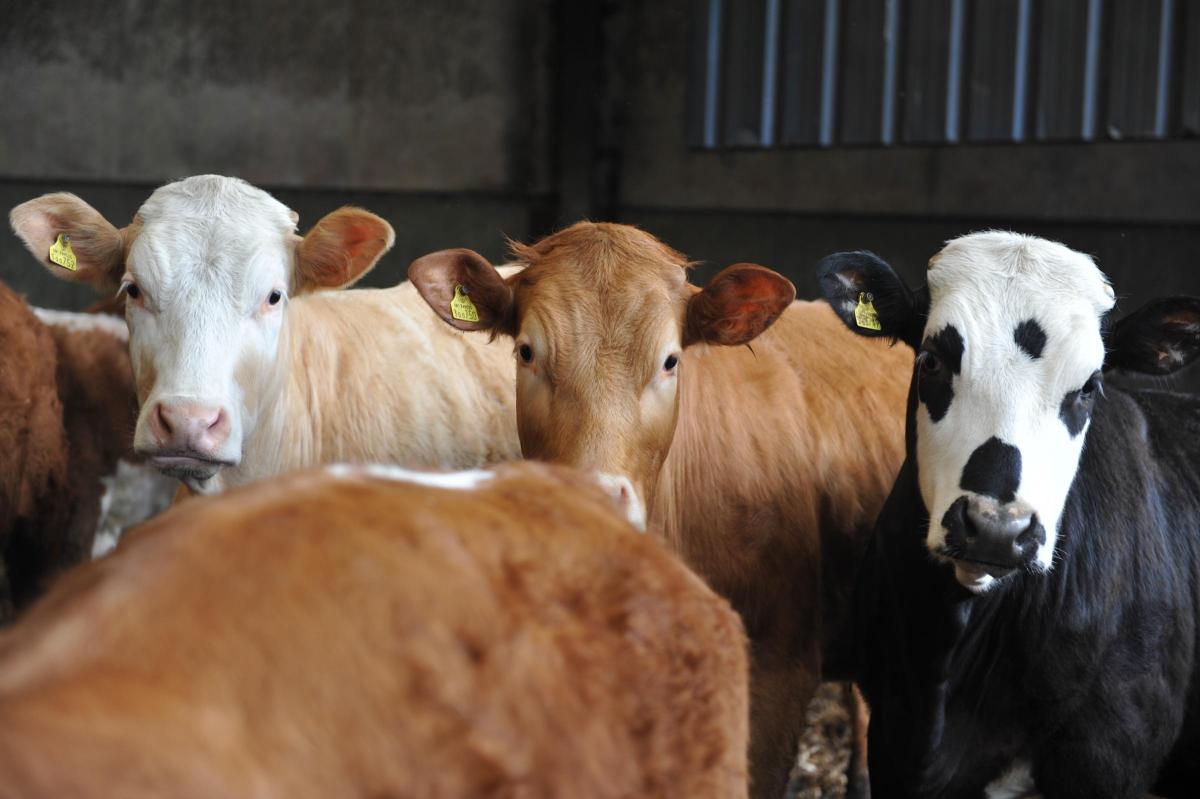
Suckler cow numbers have been built up to 85, breeds ranging from native Longhorns and Herefords to continental Piedmontese and Parthenay, offering a combination of good pelvic width and conformation.
Progeny are finished at 30 months at deadweights ranging from 250kg – 410kg, depending on breed, all supplied to Kepak at St Merryn, Merthyr Tydfil.
This is also where Maarten sells lambs from the closed flock of 120 mixed breed ewes. He tups his ewe lambs to breed replacements.
The majority of feed is grown on the farm with 90 acres drilled with wheat, barley and oats and 10 acres of fodder beet.
The beet is lifted in March and scattered in fields as an energy source for the cattle to nibble on when they are turned out to grass.
Unpredictable weather patterns have made growing crops more challenging but despite a succession of exceptionally dry or wet periods, Maarten’s says yields have been reasonable.
“It definitely requires a lot more management to grow crops these days, you have to be spot on with the timings for fertiliser and spray applications.’’
He has invested in buying his own sprayer so that he can apply herbicides and pesticides at precisely the right times, often very early in the morning or late at night. “It makes the working day even longer!’’ he laughs.
Not that he seems to mind. His love of farming endures but there are mornings when he walks across the farmyard to start his working day when he asks himself “why the hell am I doing this?’’
“You want to produce the best quality food to feed the nation but as farmers that nation often seems to think that we are trying to poison them.
“But the general public is far more supportive than they were. In the last five years, since the pandemic, the mentality of some people has changed, and a lot of that is thanks to the work that the NFU does in promoting farming and the safety of food.’’


Share