


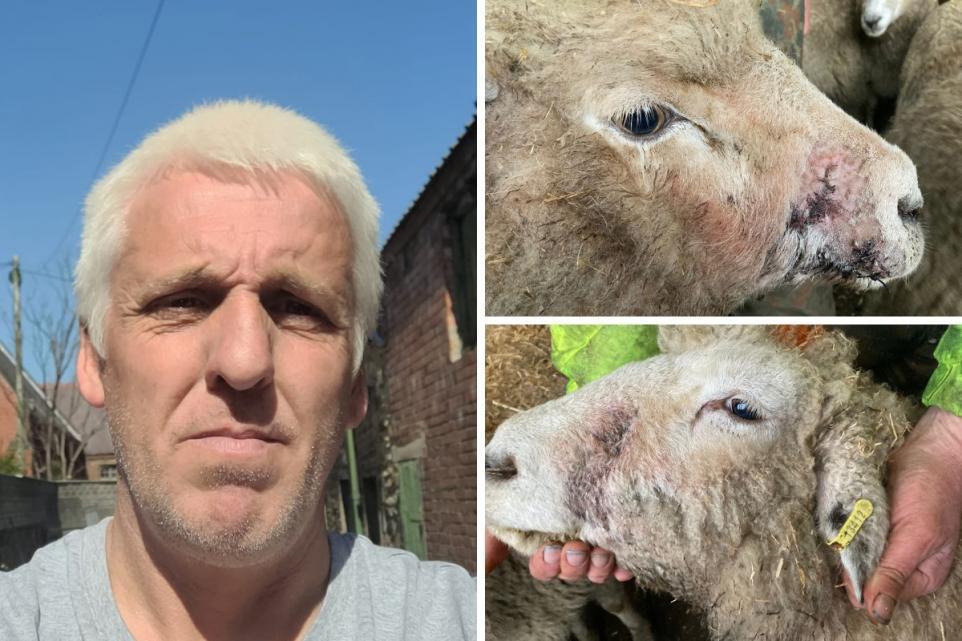


A north Wales farmer who experienced a horrifying dog attack that killed more than 20 sheep has spoken out about a newly imposed livestock worrying law.
The Department for Environment, Food and Rural Affairs announced on March 18 that a new law had, on that date, come into effect that would see farm animals in England and Wales get stronger protection from dog attacks.
Livestock worrying occurs when a dog that a person owns of is in charge of chases, attacks, or causes distress to livestock on agricultural land.
The aim of the new law is "to prevent livestock death and injury, which will save farmers thousands of pounds each year."
It has been confirmed that the fine has increased from £1,000 to an unlimited fine and police now have powers to seize and detain a dog where they have reasonable grounds to believe it has attacked or worried livestock and that there is a risk it could do so again.
The police will now have greater powers and can investigate incidents more effectively. These powers include entering premises to secure evidence or animal DNA.
Alongside this, courts will also be able to require offenders to cover the costs of seizing and caring for a detained dog.
One farmer who knows the pain and trauma a dog attack can bring is Paul Jones of Rhos Farm in Wrexham.
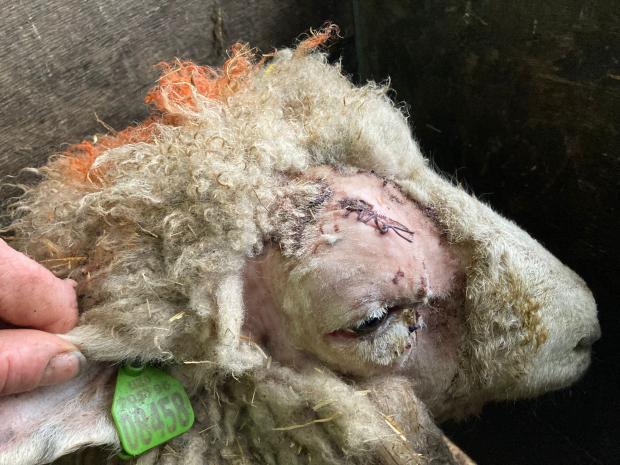
In March 2023, two American XL Bulldogs escaped their home and carried out a "horrendous" attack at his farm, killing 22 of his pregnant sheep and injuring a further 48.
Speaking about the new law, 53-year-old Mr Jones said he felt it could be a deterrent.
But while he welcomed the increased police powers and fine powers, he questioned whether they would work in all cases.
"I welcome the laws wholeheartedly," he explained.
"But my concern is that, lets say you have someone (a defendant) who is on benefits.
"They will say they have no money. Is the court really going to then fine them, say, £40,000?
"There's no point fining someone £40,000 if they say I'm on benefits.
"When you're dealing with people in that situation, are these laws going to be effective?
"I might be wrong, but it's a question to ask. I do think it will be a deterrent, but it has to be followed through."
Elaborating on his concern, Mr Jones said the financial impact of the incident amounted to more than £14,000.
In addition to a ban on keeping dogs for five years, the defendant was ordered to pay £900 in fines - the compensation element of which Mr Jones said he is still receiving to this day in relatively small amounts.
Following the incident, Mr Jones said his insurance also increased to the point where his excess reached around £700.
That meant that in the event of an average dog attack, in which he said a couple of lambs tend to be killed, he would have to cover the cost out of his own pocket.
"To get up in the morning and go through all the trauma we went through and then to have to pay for the privilege of it was a bit of a joke," he said.
Asked what message he'd give to dog walkers and owners, he added: "I'm turning the ewes out to lamb next week.
"If you see sheep in the field, just stay away. There are plenty of other places to walk over the lambing period.
"Even walking among the sheep while they're lambing can cause a lot of damage which you don't realise.
"Just have a little bit of common sense when you see sheep in the field; walk somewhere else."
Following the launch of the new law, Farming Minister Dame Angela Eagle said: "Farmers can now have greater peace of mind knowing that proper penalties are in place for people who carelessly let their dogs worry livestock.
"Dog attacks have devastating consequences and this new law reflects the Government’s strong commitment to our farmers and animal welfare."


Share