


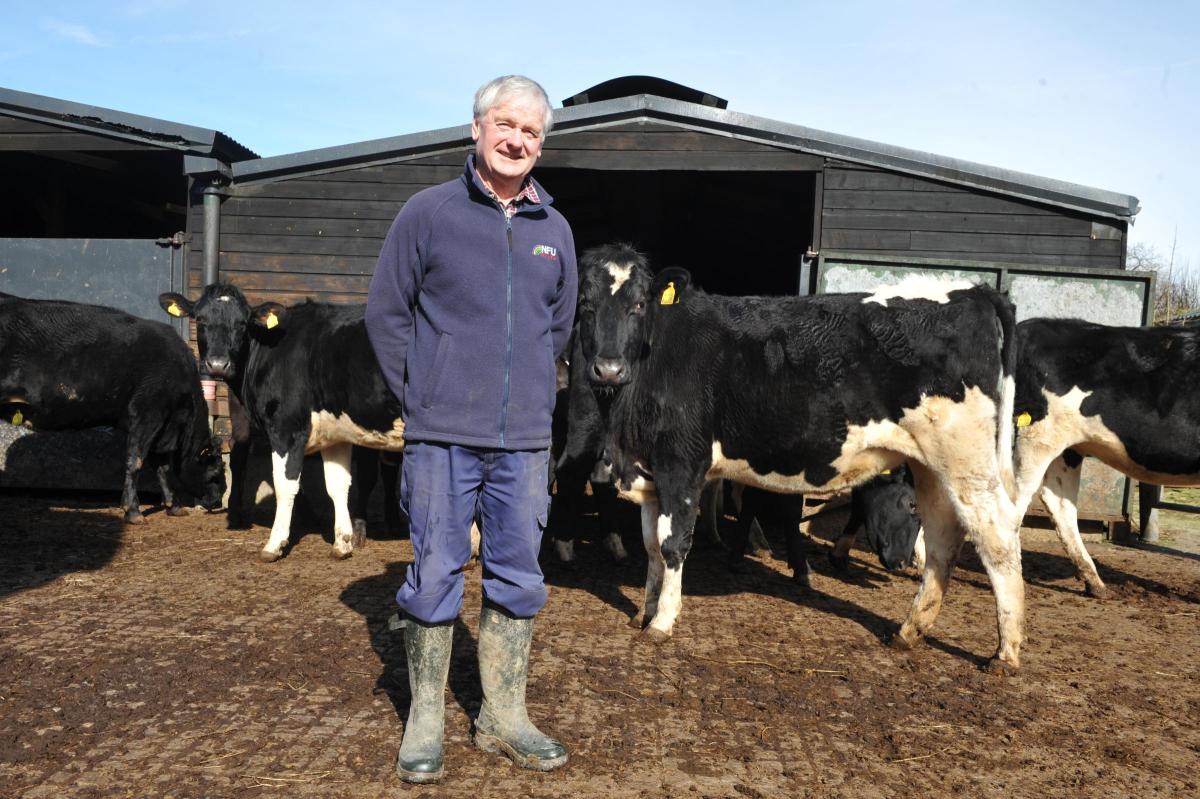

In the thick of the cow breeding period, dairy farmer Haydn Evans gets so consumed with data that he could rattle off the pregnancy and in-calf rates of his herd in his sleep.
This is a man who can really grasp numbers because before he farmed fulltime he was a senior bank manager.
Back then it was all about interest rates and credit scores but the figures that now occupy his mind are whether the heifer replacements are on target to join the milking herd.
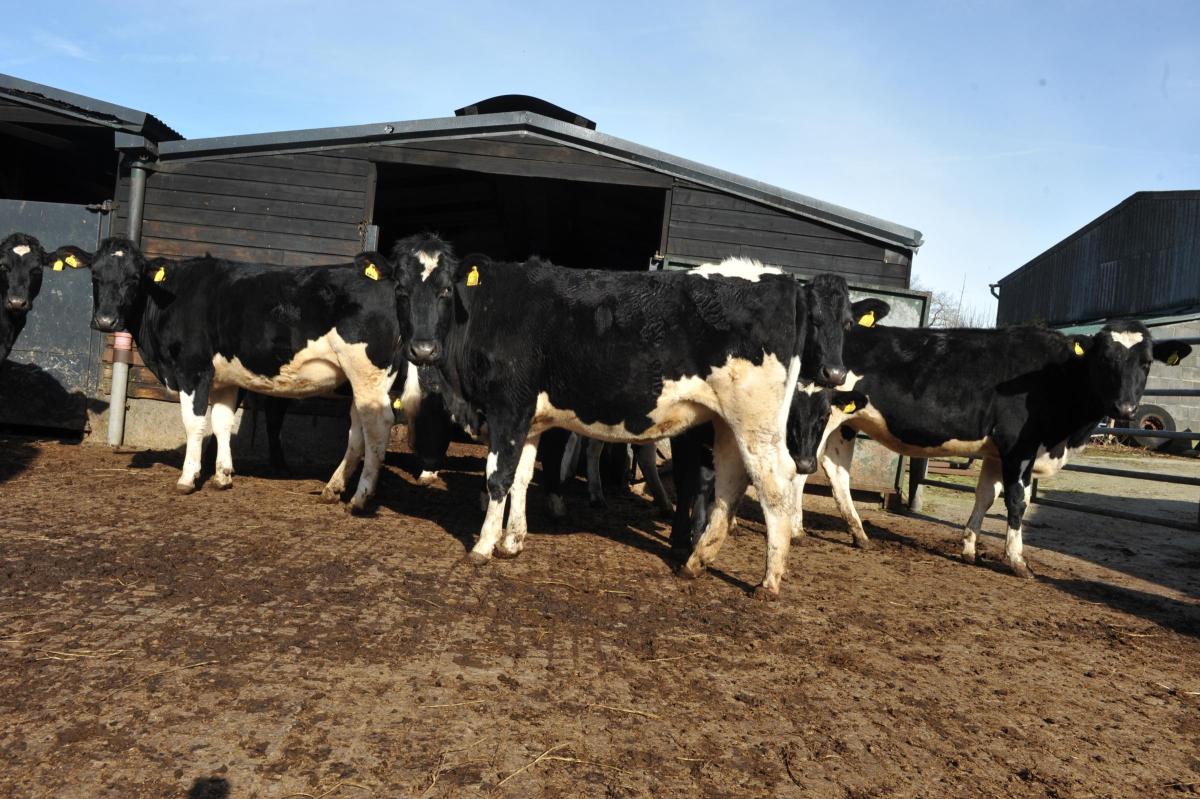
Haydn and his wife, Jan, farm at Parc Eithin near Laugharne where they rear dairy heifers for their son and daughter-in-law, Stuart and Katherine.
The farm is one they bought in 1991 when Haydn worked for Nat West and Jan oversaw the call centre operations for Lloyds TSB, renting out the land while building the foundation of a dairy herd.
For two years the land was farmed conventionally but the economics of milk production meant either increasing cow numbers or targeting a higher milk price.
“We either had to go into a land grab which meant higher gearing and I was nervous of having too high a level of borrowing, perhaps because of my background in banking or maybe because I was not bold enough, so I worked out that we had to something exceedingly well, either shortening the supply chain or by doing something that would give us a higher milk price,” Haydn recalls.
“You need a different skillset if you are intending to produce ice-cream or other products so we instead looked at organic and could see that it would be the best option for us with our small number of cows.”
Conversion to organic started in 1993, a system which Stuart was interested in too as he embarked on a degree in organic agriculture at university in Aberdeen.
It is a system they remain loyal to, producing milk from 110 British Friesians, Dairy Shorthorns and Ayrshires and growing much of their own feed on around 300 acres.
Wheat, barley and peas provide nutrition for the cows and youngstock alongside 25 acres of turnips, swedes and brassicas which are grown to fix nitrogen and provide winter grazing.
Milk is produced from the spring and autumn block calving herd at Lan Farm, Meidrim, a short distance from Parc Eithin, where Stuart and Katherine live.
Haydn and Jan concentrate on breeding the heifer replacements for that herd.
The couple have settled succession in the business, recognising that there is a “window of opportunity” that farmers can miss through inaction.
“When you are planning for the future there is a window for people of the older generation and if they go past that window it becomes very difficult to get cohesion and sensitivity around it, sometime because of ill health in that older generation.”
Haydn never shies away from opportunities to educate himself further on agriculture.
“I was deeply conscious that I was the oldest farmer sitting a FACTS exam at Gelli Aur last year but that doesn’t bother me. I went through an agronomy course too and the others on the course were a fair bit younger than me.
“I enjoy the interaction with the students and the challenge. Farming shouldn’t all be about being under the cow, you have to have a bit of give and mental improvement.”
At 69 and very active, he seems to be blessed with good genes. “My mother was 88 and still climbing gates,” he confides.
With good health and energy there is no reason for him to row back from his farming duties just yet. “Farming forces you to get out and to keep fit so whether I pack it up at 72, 74, 76 I don’t know, none of us knows where our health will be at any given age.
“We all need luck but you also have to have balance and to respect your health, it isn’t all down to luck.”


Share