



Growth in retail sales of organic poultrymeat could offer new revenue opportunities for Pembrokeshire farmers.
The market for organic food is increasing year-on-year and poultry is a big driver of that.
Operators in this sector include Pembrokeshire-based Capestone Organic Poultry Ltd which produces organic and free range birds.
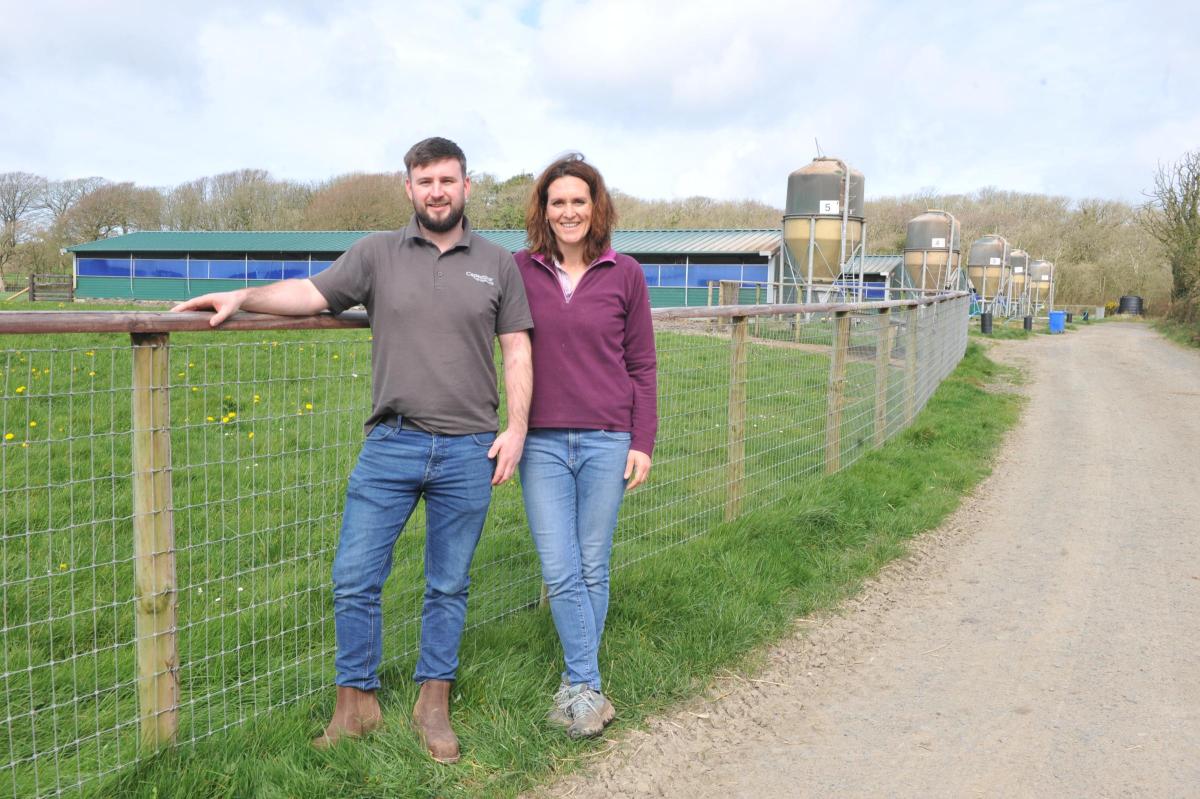
The business outsources some of its rearing allowing new income streams for farmers like Jamie and Louise Adams, who rear 128,000 birds a year for Capestone.
While dairying is their core enterprise, they rear 16,000 birds at any one time on their farm near Haverfordwest where they milk 500 spring and autumn calving cows.
They previously produced organic milk before reverting to conventional production but when they made that transition they retained organic certification and standards on some of their poorer fields, land with rocky soils that make it less productive than other fields but is ideally suited for a poultry range and housing.
It means the business can capitalise on the higher income opportunity from organic poultry.
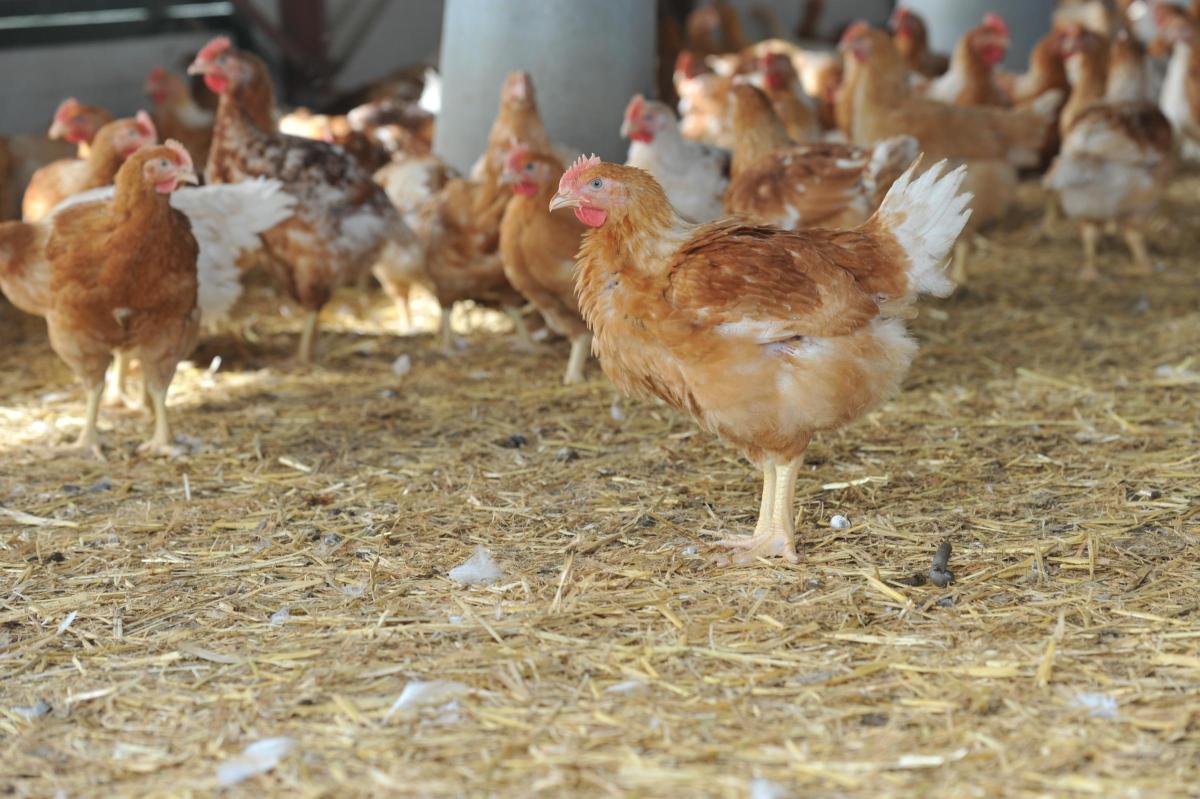
Birds are a Hubbard x Colour Yield JA57, a slow growing breed that fit well with the longer production cycle for organic compared to free range as it avoids birds from getting too heavy towards the end of that cycle, protecting health and welfare.
Jamie and Louise take delivery of the birds direct from Capestone’s brooding farms, and rear eight crops a year to an average liveweight of 2.5kg.
Feed is an organic compound supplied by Capestone with heat-treated organic wheat added at the milling stage to slow down the growing phase.
Louise is in charge of the day to day management of the poultry, a system she has experience of as she grew up on a mixed farm in South Africa where her parents produced poultry, beef, sheep and arable crops, and where she gained an animal sciences degree at the University of Pretoria.
The poultry enterprise at Rosepool Farm can easily be managed by one person, she says, although she has occasional help to shut birds in at night and drafts in extra labour at turnaround.
Birds are checked up to three times a day but the avian influenza housing order added to the workload in recent months – when the birds were unable to range the sheds had to be bedded more often.
Investing in a straw bedder, a smaller machine than the standard to allow access to the sheds, eased that job, one Louise had carried out manually for 18 months.
Payments are received eight times a year after the birds leave the farm, providing a regular income similar to milk.
“It is a bit like a milk cheque, getting that regular income after every batch,” says Louise.
Another big plus favouring poultry is that it is less reliant on the weather that some farming sectors, she adds.
“You don’t get the seasonal variability that we see on the dairy side of things - if we have a cold spring, a very dry summer, it can make a big difference to the milk cheque but with poultry the financial performance is relatively consistent.”
Louise says organic poultry can offer farm businesses a good income.
“We have been able to utilise land that is not suitable for ploughing and get a really good income from that bit of land.”


Share