



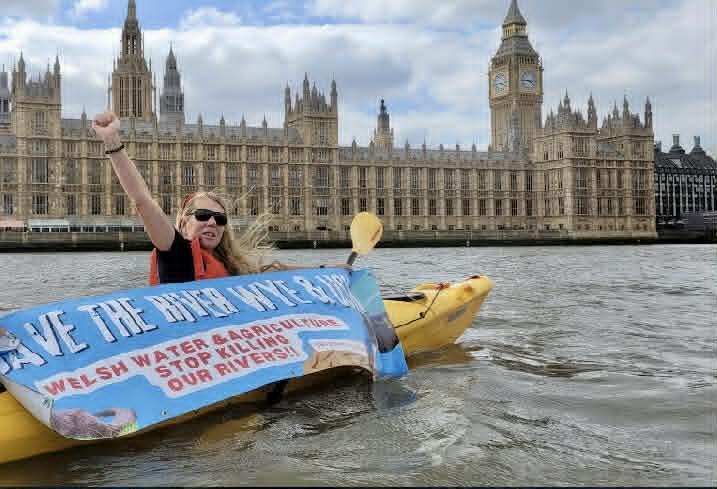
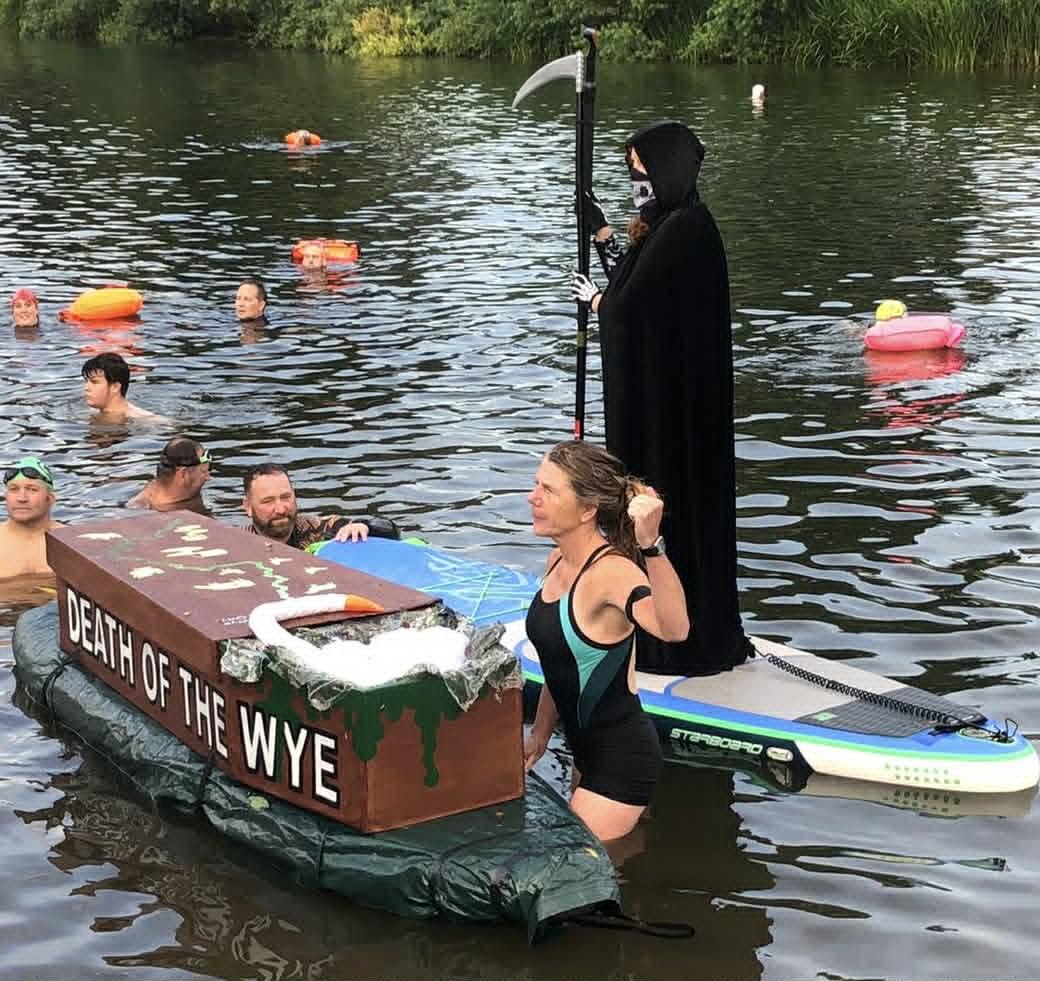

The River Wye has been formally recognised as a living ecosystem with intrinsic rights in a landmark charter campaigners hope will help save one of Britain’s most polluted rivers.
The charter, celebrated at the Hay festival, covers the Wye’s entire 130‑mile catchment from its source in the Cambrian mountains to Chepstow and the Bristol Channel.
It recognises the river’s rights to flow, to biodiversity, to be free from pollution, to be supported by a healthy catchment, to regenerate and to be represented.

Herefordshire and Powys councils have already adopted the charter, with Gloucestershire and Monmouthshire expected to follow, making it the first full river‑catchment rights charter in the UK.
Wild swimmer and campaigner Angela Jones, who has spent years testing water quality on the Wye and Usk, said the move marked an important step after a decade of warnings about declining river health.
She said recognising the river as a living system with its own rights “sends a clear message that our rivers matter and deserve respect, protection and a voice for future generations”.
The charter forms part of a growing international “rights of nature” movement in which rivers in countries such as Ecuador, Canada and New Zealand have been granted legal personhood. In the UK, peers are considering proposals to give nature legal rights rather than treating it only as property or a resource.
Despite existing conservation designations, the Wye has suffered what scientists describe as near‑ecological collapse in recent years, with excess nutrients from intensive poultry farming and sewage spills fuelling algal blooms and choking wildlife.

The river is now at the centre of a major High Court claim brought by thousands of residents against poultry giant Avara Foods and Dŵr Cymru/Welsh Water, who deny responsibility.
Jones welcomed the new charter but warned it must be backed by tougher action. She said stronger regulation of intensive agriculture, tighter limits on nutrient pollution, proper enforcement and a fully funded restoration plan are all needed “so our children inherit a living Wye, not a dead one”.
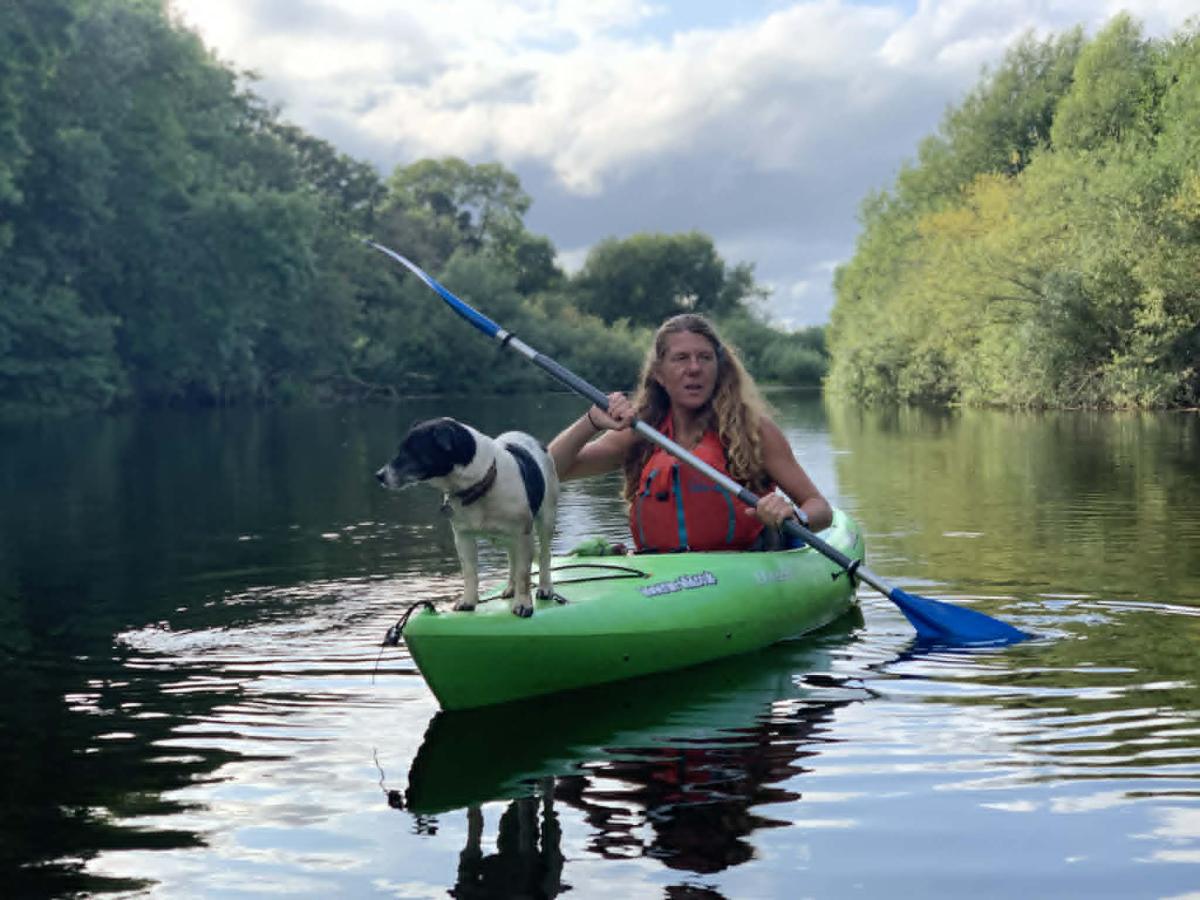
Jones, who runs Swim Wild Wye, has spent more than 30 years on and in the river as a guide, coach and campaigner, often describing the Wye as “the arteries that run through my veins”.
She now spends hours on the water most days, leading small groups, supporting local charities and speaking in schools and universities, and says she will “do whatever it takes” to stop the river sliding towards ecological collapse.


Share