

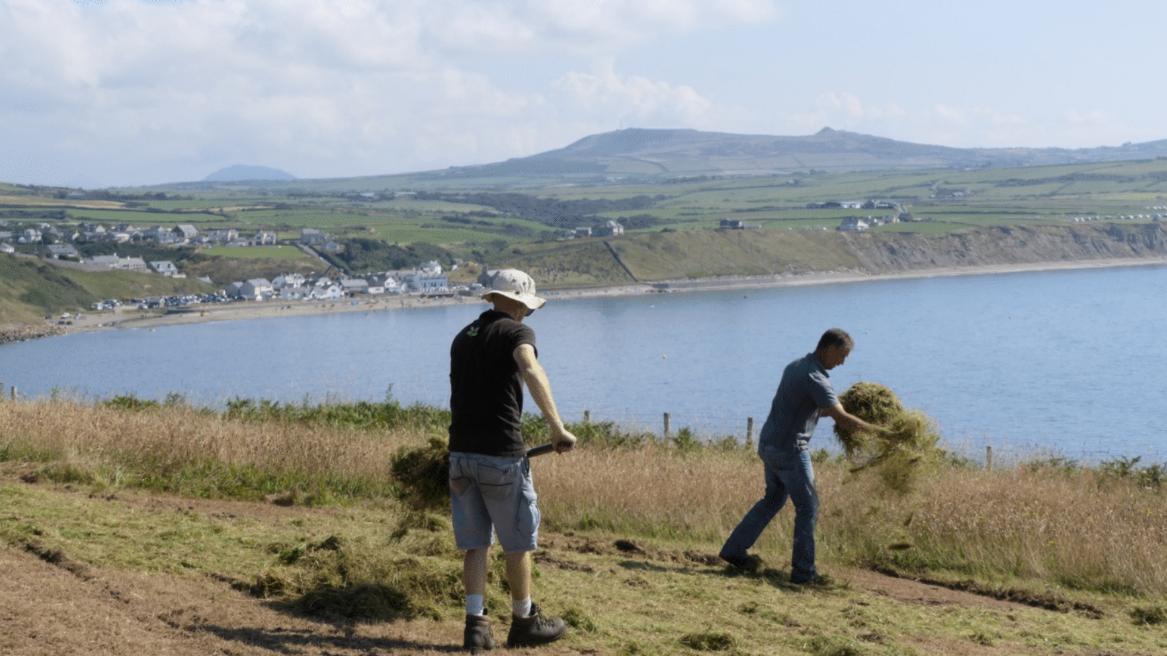

The farming community are working hand in hand with residents to restore the Llŷn peninsula’s drought-resistant meadows.
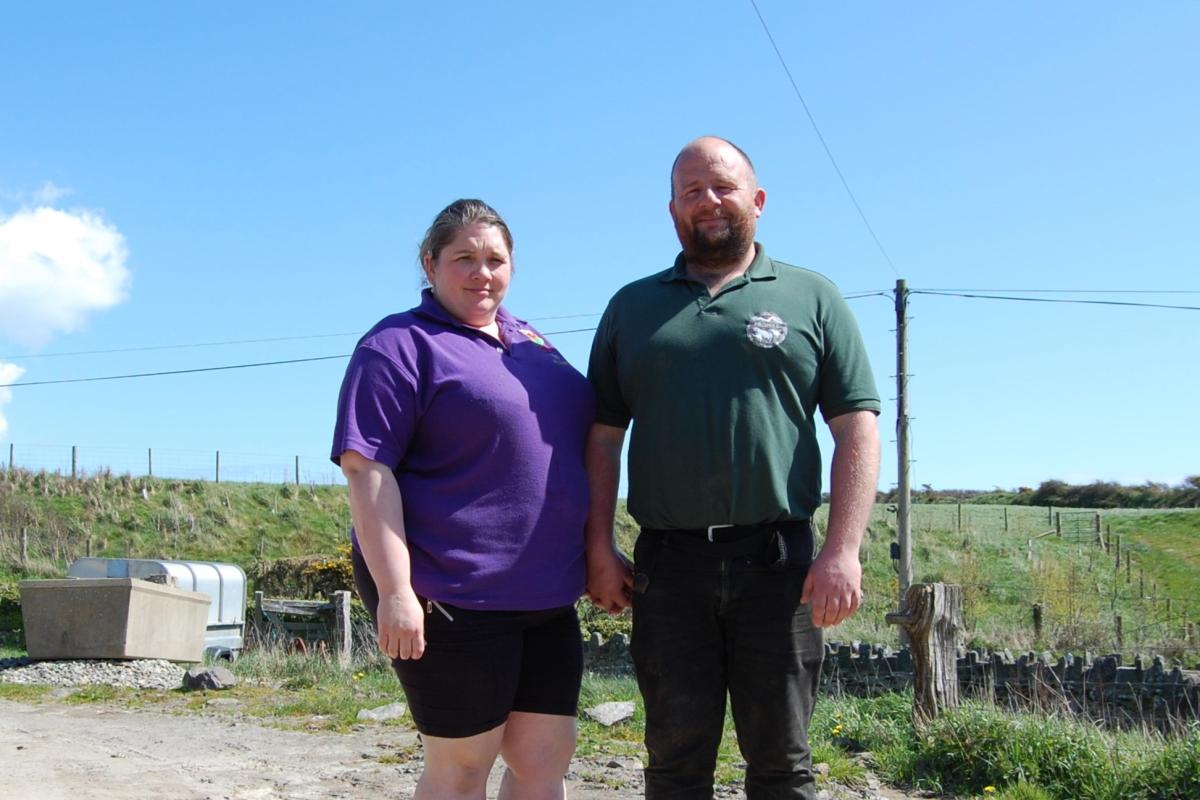
Tenant farmer Carwyn Evans wanted to break the cycle of intensive farming at National Trust’s Cwrt Farm to “do something different”.
In returning several of his fields to traditional species-rich hay meadows, he found his livestock were better off for it and, in turn, is contributing to the return of one of Wales’ rarest habitats.
The sheep and cattle farmer said: “I used to think hay meadows were a waste of time and space, as we just wanted to make as much silage as possible.
“Now I see how they fit into the bigger picture - every part of the cycle needs looking after because there’s a knock-on effect, for example, pollinators, which are important on the farm.
“Farming and nature need each other. Without one, you won’t have the other.”
Working with ecologist Jo Porter as part of Wales’ Payment for Outcomes Scheme (a precursor to the new Sustainable Farming Scheme), he found the livestock that grazed the meadows didn’t require as many medicinal wormers, saving him money thanks to the natural anthelmintics in the meadows.
By returning to more traditional farming practices - farms formerly kept a 'cae meddyg/ ysbyty' (medical/ hospital field) for livestock to self-medicate - it’s also helping to bring the Llŷn’s grasslands back from the edge.
Wales has lost 91% of its species-rich grasslands due to development and agricultural intensification since WWII, but on the Llŷn, the figure is likely closer to 99%.
Their loss means fewer flowers for pollinators, so less food for birds, fewer habitats for wildlife, and increased risk of drought and flooding through the loss of deep, moisture-retaining root structures.
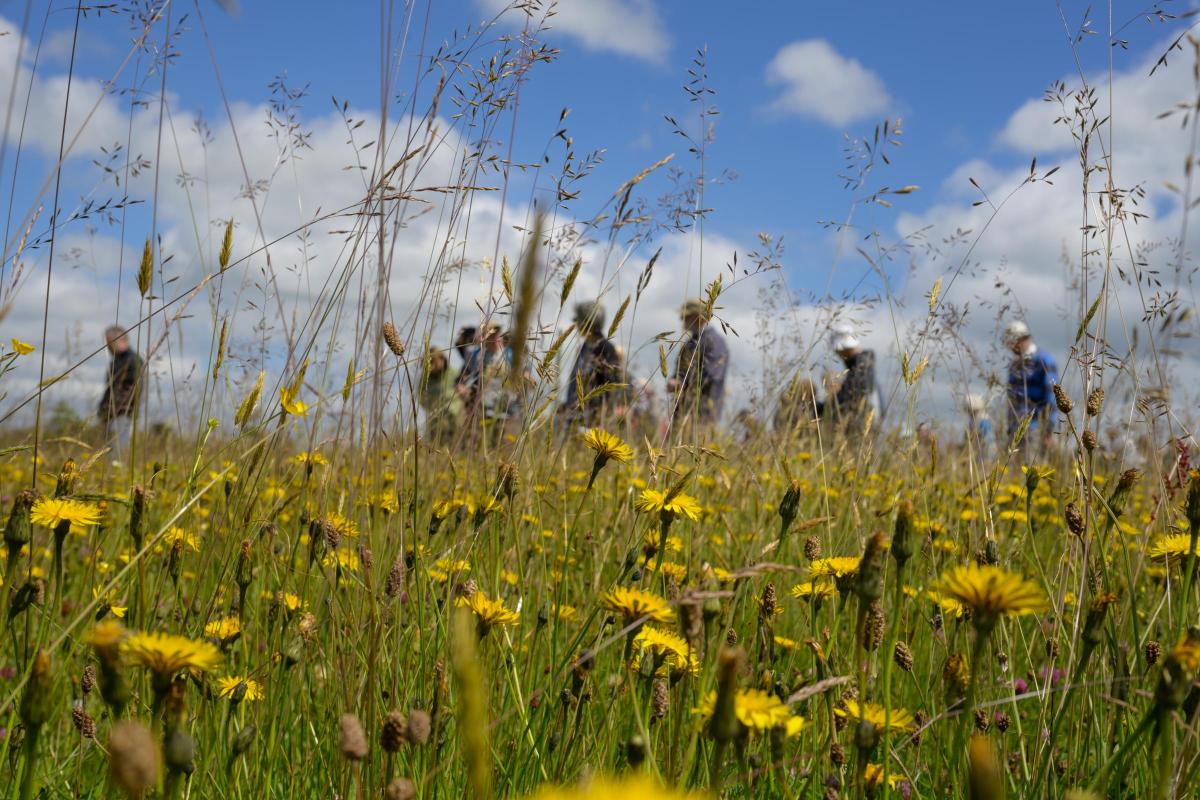
Species-rich grasslands aren’t just fields that haven’t been cut; they are left to grow until the seeds drop in late summer, often cut for hay then grazed over the winter months.
Used on farms in combination with fields of fast-growing monocultures of rye or clover, Carwyn also noticed his restored meadows were more resilient, staying green as the monoculture fields yellowed during hot summers.
He added: “The hay itself is better for feeding the stock in winter and doesn’t need wrapping in plastic. It isn’t as good for fattening stock as ryegrass, but has good nutritional value.”
Whilst being financially incentivised through the scheme, Carwyn can also now sell his meat as a higher grade, increasing its sale value.
Carwyn’s work is now contributing to the restoration of species-rich meadows across the peninsula as a donor site sharing seed with other depleted areas, a crucial part of ecologist Jo Porter’s community-wide meadow network, Dolydd Llŷn (Llŷn Meadows).
Starting in 2018, Jo has now grown an 80-strong network of landowners and farmers growing their silage fields, lawns, road verges, part of a golf club and even graveyards into species-rich grasslands, increasing both biodiversity and the area's resilience to drought.
The 56-year-old ecologist said: “It started very organically through talking to neighbours.
“A lot of people have a house with a bit of land, and there’s a desire to do what they can for nature.
“I began to see how important these patches of land are, no matter how small - there’s so much fragmentation of habitat that every patch counts. They’re stepping stones for wildlife.”
The Dolydd Llŷn network attracts newcomers every year, like Mary Robinson of Rhyd-y-clafdy, who joined because she “longed for the flower-rich meadows of my father’s smallholding when I was growing up in the 60s” and realised mowing was a “waste of time, money and petrol”.
Jo advises joiners like Mary, and is now paid for her time by Gwynedd Council from Welsh government funds.
Mary is already seeing more plant species and a huge new abundance of grasshoppers.
With the right treatment, grasslands support an incredible diversity of fungi, rare plants like orchids and rare birds like choughs, for which the Llŷn is home to a quarter of Wales’ population.
That diversity makes Mary’s meadow "noisy" with insects. In the last five years, there’s been a 55% drop in flying insects found on number plate counts in Wales, and a 78% drop UK-wide in the last 20 years.
Many don’t realise the significance of unploughed wildflower meadows - undisturbed grasslands can also hold more below-ground carbon than woodlands or agricultural fields.
Jo said: “People immediately think of planting trees, but not restoring grasslands.
“The rooting system in a meadow is incredible, with some species rooting down two metres.
“That gives a lot of resilience in the face of climate change or flooding.”
The growing network includes Mynytho village green, the side of a rugby pitch, and Pwllheli Town Council, which recently saw the return of rare orchid species by changing their cutting practices, and now has a resident otter.
On Gwynedd Council’s involvement, project manager Arwel Jones said it’s crucial the council sets an example for people and nature: “[A road verge] is something people see all the time - historically, verges were cut too early, so the flowers didn’t bloom or seed.
“We’re now trialling different management techniques to increase wider diversity on council-managed land, while encouraging the same practices in towns and villages.”
He described the work of Dolydd Llŷn as important “because the land people manage for nature becomes stepping stones that connect landscapes - if everyone does something, it has a collective positive effect.”
Jo says everyone can play their part - learn how via the Plantlife website - plantlife.org.uk/learning-resource/how-to-manage-a-meadow/


Share