




The number of confirmed bluetongue cases in Powys has risen to five, sparking fresh warnings from vets and animal health officials as the disease continues to spread across Wales.
The latest Animal and Plant Health Agency (APHA) data shows one new case was confirmed in Powys on Tuesday (August 11), taking the county's total to five.
The figure has more than doubled in a matter of days, with only two cases having been confirmed by Friday, August 7.

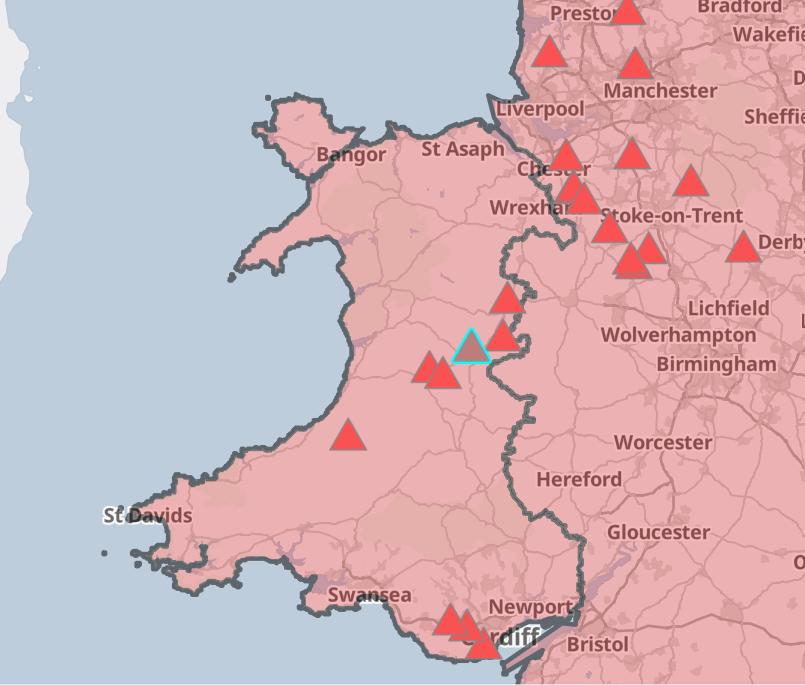
Maps published by APHA show a cluster of infections in Mid Wales, with Powys now the area most affected by the disease in Wales followed by Ceredigion and Cardiff which have one case each.
Animal health officials are urging livestock keepers to remain vigilant as warm weather creates ideal conditions for the virus to spread through biting midges.
An APHA spokesperson said: "Bluetongue cases are rising rapidly.
"Look out for clinical signs and report any suspicions of disease."
Powys among Wales' bluetongue hotspots
The increase in cases has heightened concern in Powys, one of the UK's most livestock-dense counties and home to large sheep and cattle populations.
Veterinary practices across Mid Wales have been urging farmers to take action now to protect livestock, warning that the number of infected farms is increasing rapidly.
Llandrindod Wells-based Ddole Road Veterinary Clinic said: "There has been a serious outbreak of Bluetongue Virus BTV-3 in south west England that has spread up into Somerset, with cases now in south east and mid Wales.
"The BTV-3 now circulating is causing serious disease in both sheep and cattle, with sheep unfortunately dying.
"The cases of farms infected with BTV-3 is rising exponentially day by day."
The practice added that Powys was particularly vulnerable due to the density of livestock kept across the county.
"This is your time to vaccinate, to protect your livestock, before BTV-3 cases rise in Mid Wales," the clinic said.
Vets advised that sheep require a single vaccine dose and develop full immunity after around three weeks, while cattle need two doses administered three weeks apart, meaning full immunity can take around six weeks.
Their message to farmers was clear: "Don't wait to vaccinate."
RECOMMENDED READING
-
Bluetongue case confirmed in Powys as Mid Wales vets urge farmers to stay vigilant
-
Farmer fined £16,000 for 'unacceptable' failings - including maggot-infested carcass
-
Family fears worst after beloved dog sent to Kington cremation firm
Cases have risen sharply in just days
The latest figures mark a significant increase from the position just a week ago.
By August 7, only two bluetongue cases had been confirmed in Powys.
Since then, three additional cases have been identified, including the latest confirmation on August 11.
The rise comes as APHA and the Welsh Government warn that further cases are likely while midge activity remains high during the summer months.
The Welsh Government has already stated that hotter weather provides favourable conditions for bluetongue to spread because higher temperatures allow the virus to develop more quickly inside biting midges.
Farmers urged to watch for symptoms
Montgomery and Llanfair Caereinion-based Trefaldwyn Vets says livestock keepers should closely monitor cattle and sheep over the coming weeks.
The practice said: "Bluetongue (BTV-3) cases are continuing to increase, with new cases confirmed, including in Powys, and a growing number of clinical cases being reported in livestock."
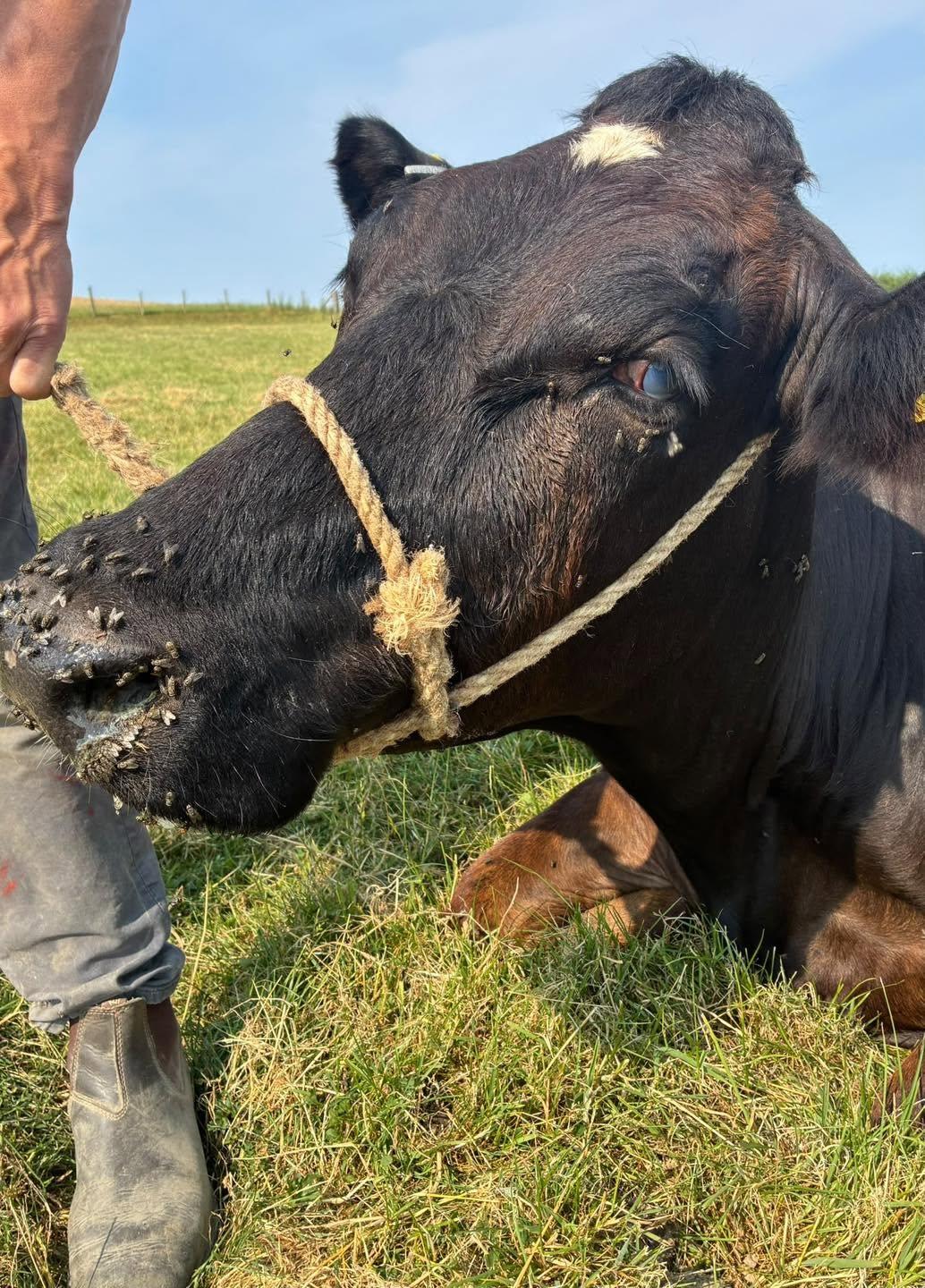
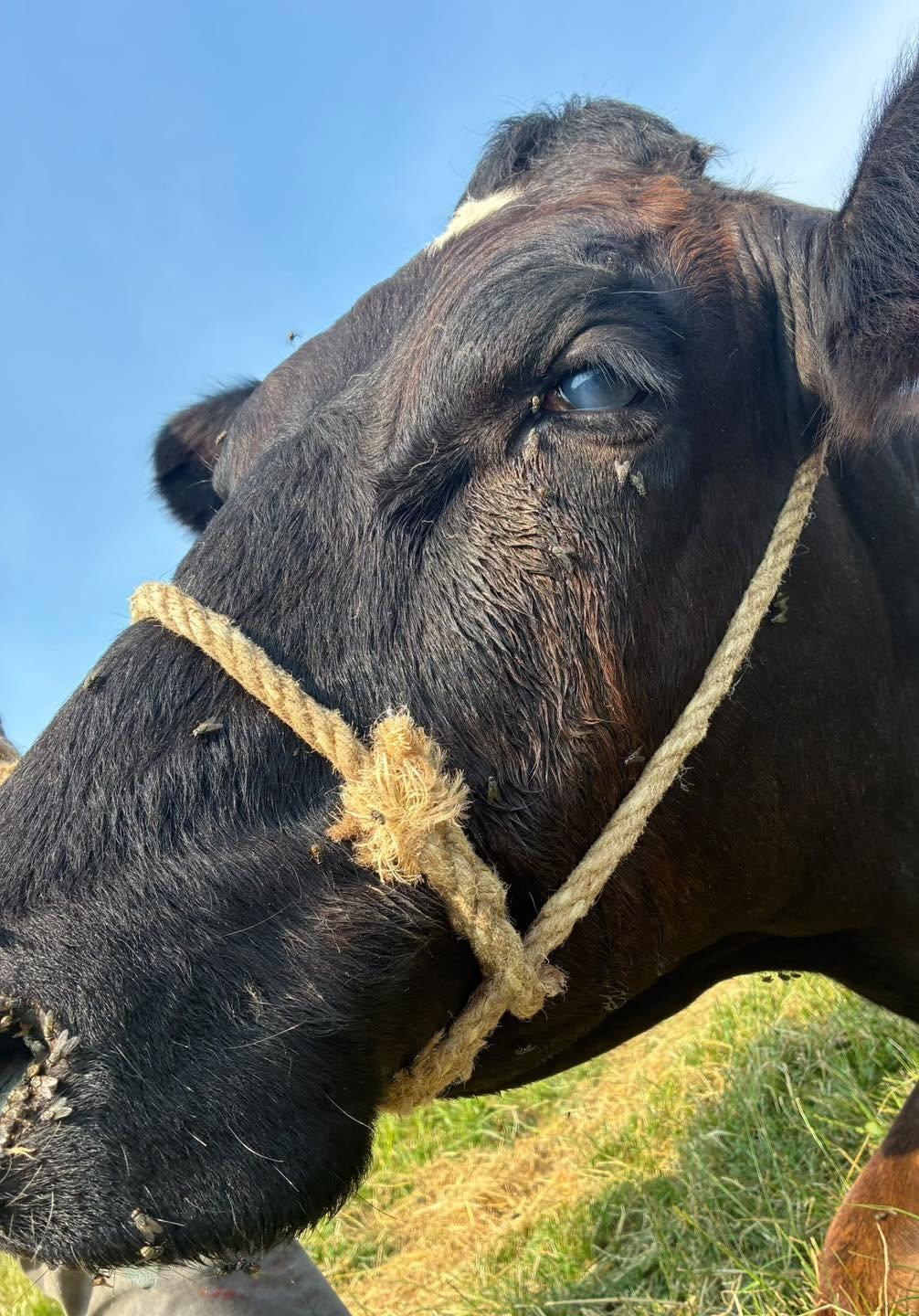
Veterinarians are urging farmers to closely monitor cattle and sheep for signs of illness. Symptoms can include fever, lethargy, mouth ulcers, excess drooling, nasal discharge, lameness, swollen feet and swelling around the face, lips or tongue.
Trefaldwyn Vets added: "Early recognition is vital.
"If you notice any of these signs, please contact the surgery as soon as possible for advice and support."
Previous Powys case saw cow euthanised
The latest confirmed infections come just weeks after a cow in the Llanidloes area tested positive for BTV-3.
The UK Government confirmed the animal tested positive on July 24 after showing clinical signs including weakness, swelling around the eye, fever and nasal discharge.
The cow was later euthanised on welfare grounds.

Newtown-based Hafren Vets Farm & Equine said the case highlighted how widely the disease is now distributed across Wales.
"The case in question was Bluetongue 3 and was in the Llanidloes area," the practice said.
"As the Culicoides midge can travel up to a mile a day and Bluetongue 3 has now been found in East, Mid, and West Wales, it is not possible to say that any particular area is at more risk than any other."
What is bluetongue?
Bluetongue is a viral disease that affects sheep, cattle and other ruminants.
It is spread by biting midges rather than directly between animals.
The disease does not pose a risk to human health and does not affect food safety, but it can have serious consequences for livestock.
In cattle, symptoms can include fever, lethargy, reduced appetite, reduced milk production, excessive salivation, swelling around the face and tongue, lameness and reproductive problems.
Sheep are often more severely affected and can suffer mouth ulcers, facial swelling, breathing difficulties and, in severe cases, death.
Bluetongue is a notifiable disease, meaning any suspected cases must be reported immediately.
The Welsh Government is urging livestock keepers to remain alert for signs of infection, discuss vaccination options with their vets and report suspected cases to APHA without delay.


Share