



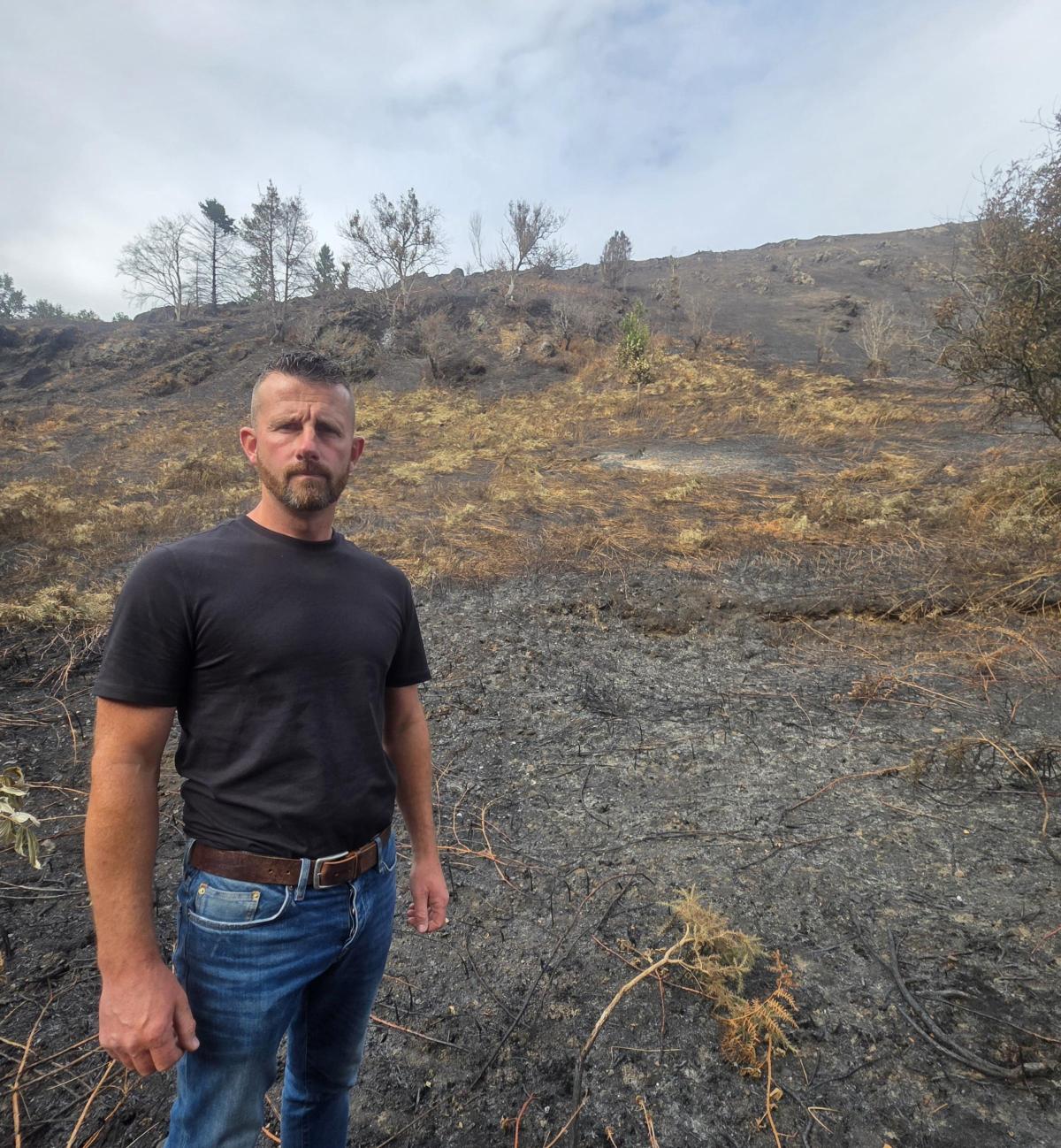
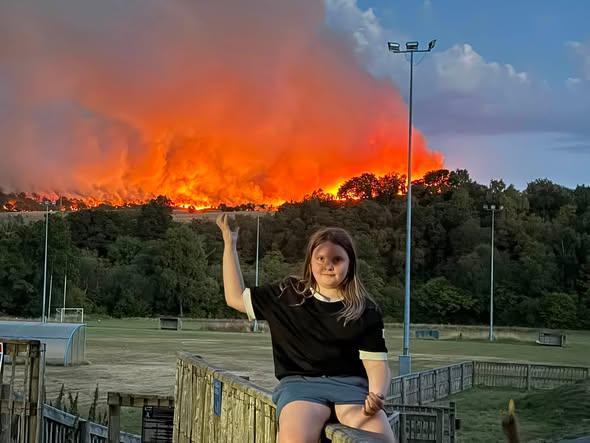
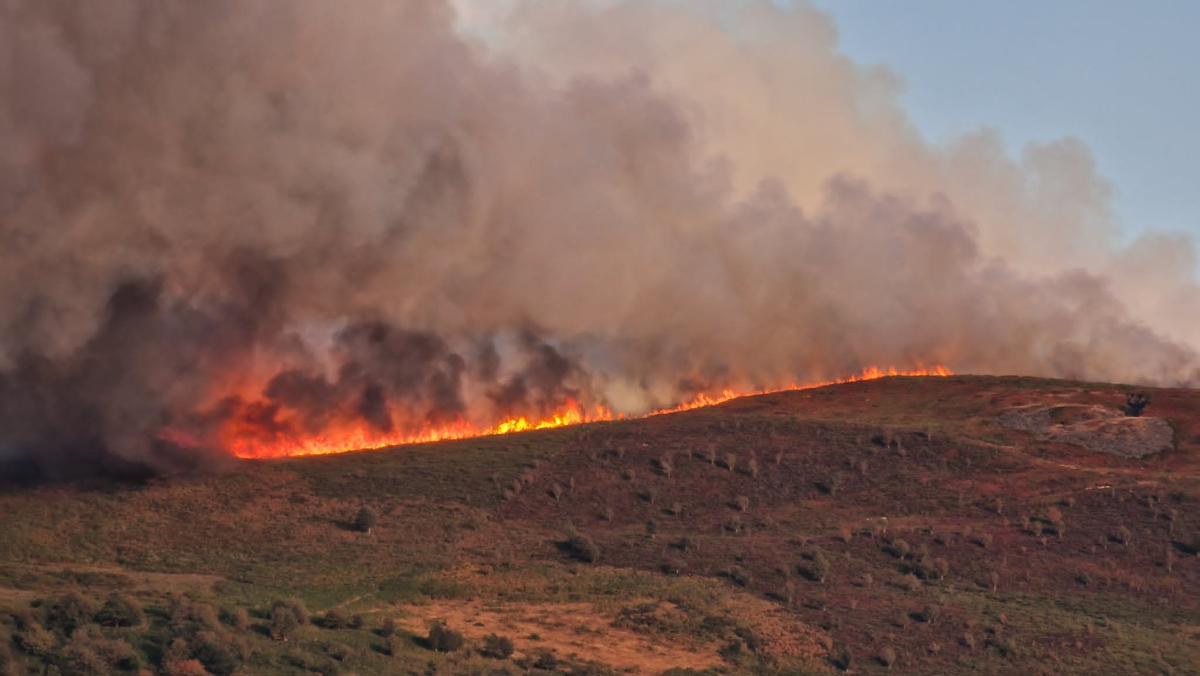

A councillor has called for changes to the way upland areas and forestry plantations are managed following the massive wildfire that tore through hundreds of acres of countryside.
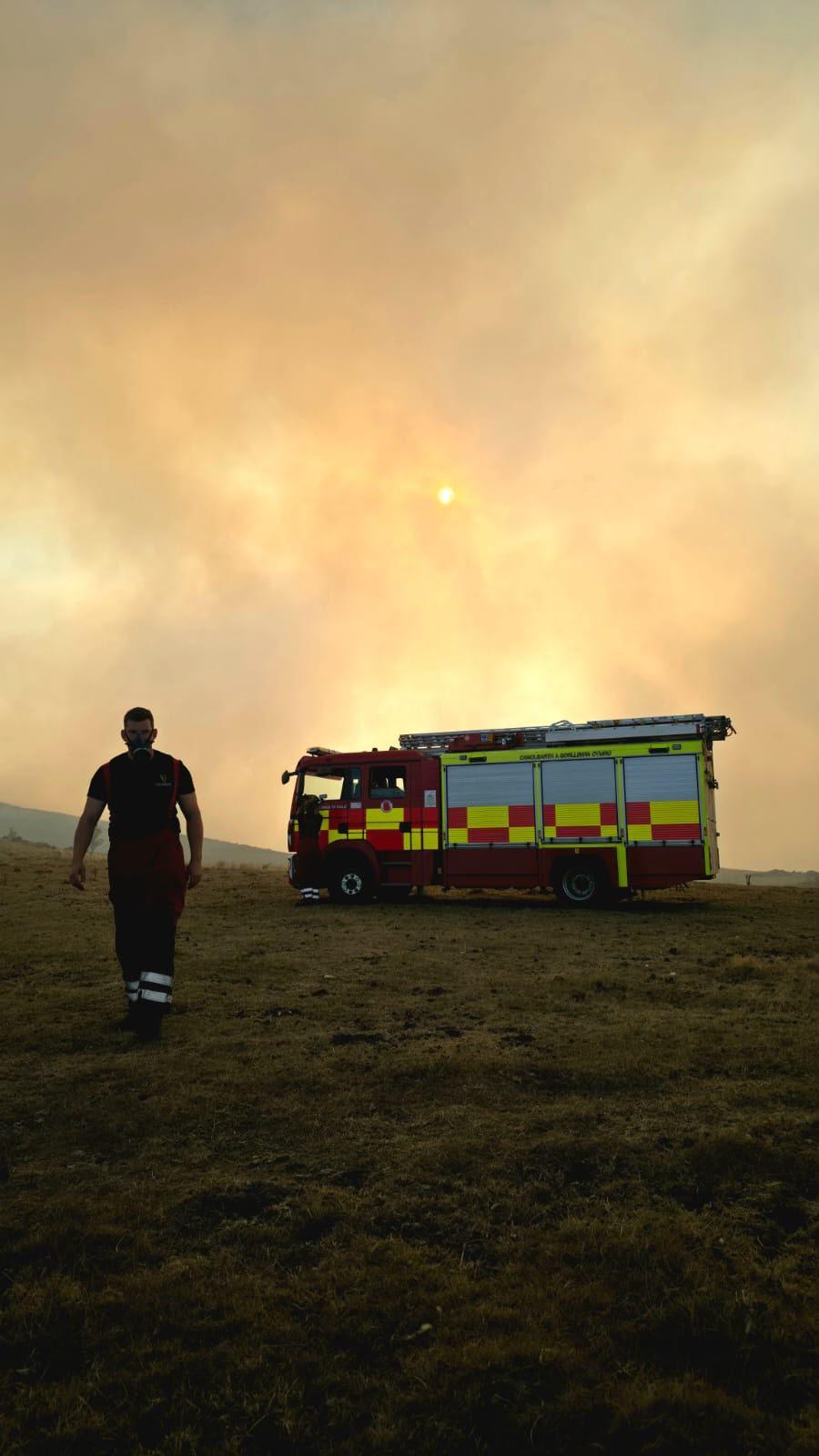
The blaze on Gwastedyn Hill, near Rhayader, which sent flames as high as trees and scorched around 200 hectares of gorse, grassland and forestry, earlier this month was extinguished after a major response involving firefighters, farmers and agricultural contractors.
Councillor Gareth Hughes, who represents the Llanyre with Nantmel ward, said the fire should serve as a wake-up call about the growing threat of wildfires in rural Wales.

Describing the incident as a "near-disaster", he praised firefighters and members of the local farming community who helped prevent the blaze from spreading further.
"The sight of tree-height flames scorching roughly 200 hectares of our beloved gorse, grass and forestry was a sobering reminder of how vulnerable our rural landscape can be," he said.
"While the smoke has cleared, the lessons we must draw from this near-disaster are more urgent than ever."
Cllr Hughes said communities owed "an immense debt of gratitude" to crews from Mid and West Wales Fire and Rescue Service, including firefighters from Rhayader, Llandrindod Wells and Builth Wells.
He also praised local farmers and contractors who turned out with tractors and water bowsers to assist emergency services.

"When the flames threatened to get out of hand, it was our farming community that stood side-by-side with fire crews, using their machinery to create trenches, transport vital water supplies and fight back the blaze," he said.
"Our farmers unfortunately get a lot of bad press in the modern media, yet time and time again they are the ones who step up when our communities need them most."
Looking ahead, Cllr Hughes said more should be done to reduce the risk of future wildfires.
He called for greater use of fire breaks within forestry plantations and argued that better grazing management on upland areas could help reduce the build-up of vegetation that fuels fires during dry weather.
"We need strategically placed fire breaks cut into these plantations to slow down rapid flame spread," he said.
"Furthermore, we must see our hills managed and grazed far better. Allowing livestock to graze these uplands naturally reduces the heavy fuel load of overgrown vegetation, creating a safer landscape for everyone."

Natural Resources Wales confirmed that the fire did not occur on land under its management.
The organisation said wildfire resilience forms part of its approach to managing the Welsh Government woodland estate and other land under its control.
A spokesperson said: "Across the land we manage, which accounts for around seven per cent of Wales' land area, we use a range of approaches to improve resilience to wildfire and support nature recovery.
"These include vegetation and fuel management, forest design, access improvements and partnership working with fire and rescue services and neighbouring land managers.
"Firebreaks can play an important role in wildfire management, but there is no single measure that can eliminate wildfire risk."
NRW added that wildfires are influenced by a combination of factors, including weather conditions, drought, vegetation, topography and land management, and said many incidents are caused by human activity, whether accidental or deliberate.
The organisation said tackling wildfire risk requires cooperation between landowners, public bodies and emergency services, adding that building resilience to climate change and wildfire risk is a long-term process.


Share