



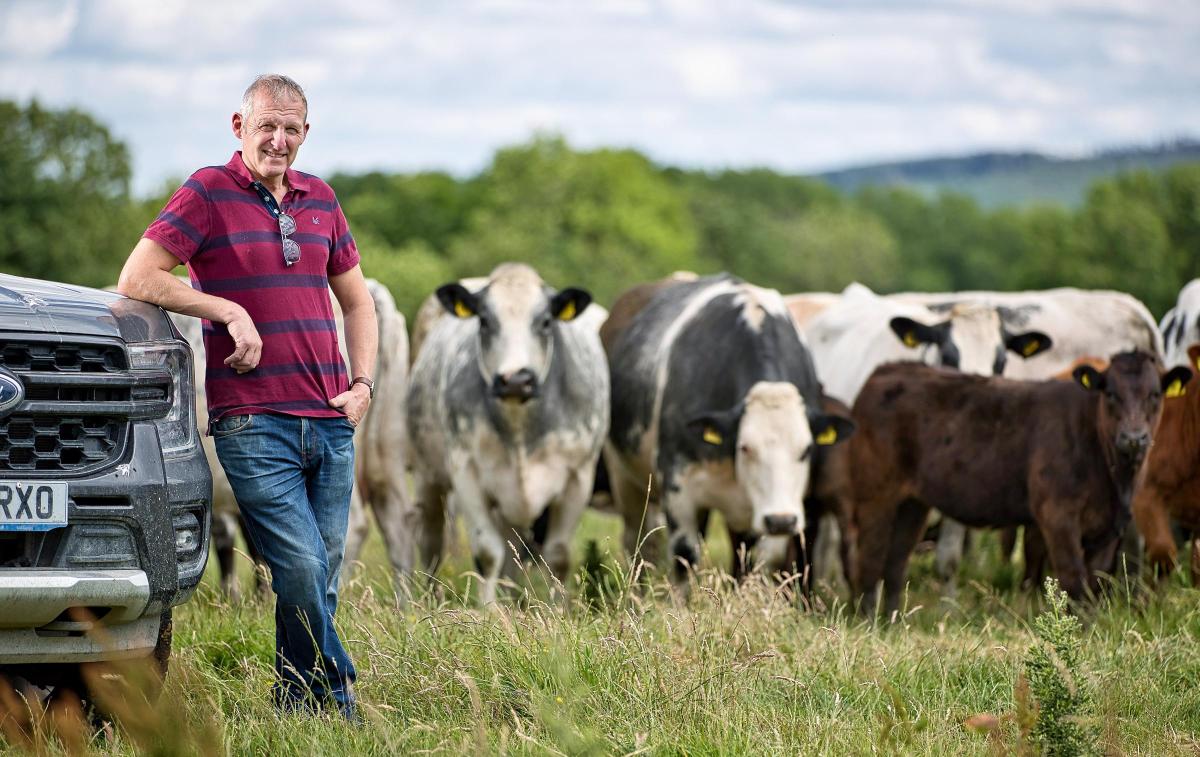
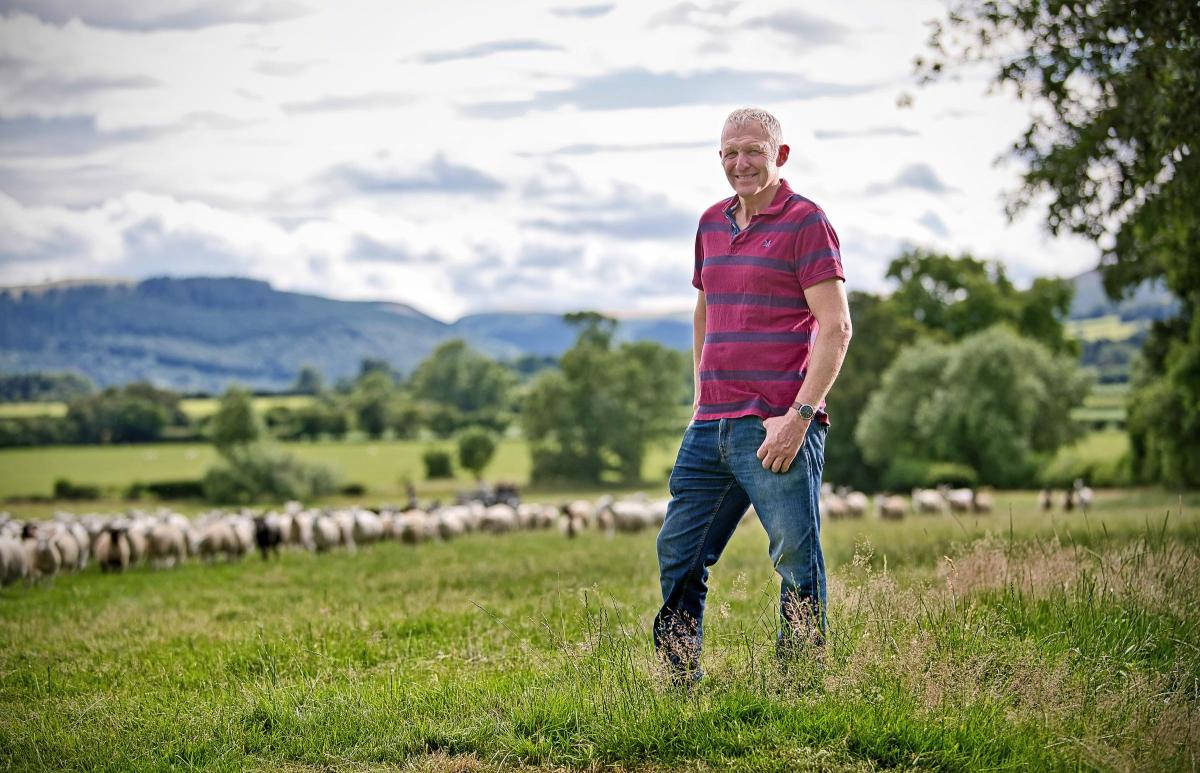
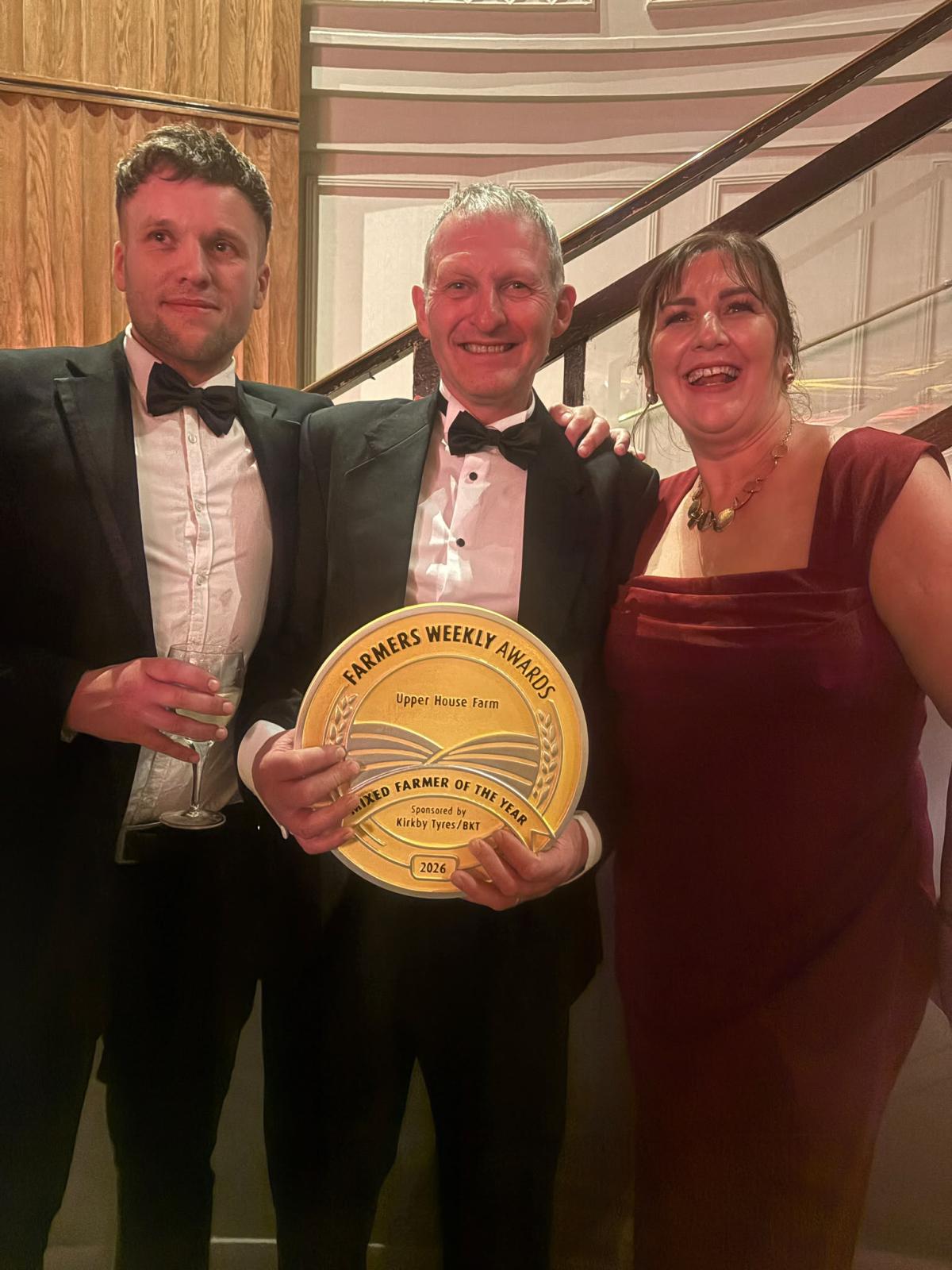

A Powys farmer who initially tried to turn down his nomination because he did not think he was good enough has been crowned Farmers Weekly's Mixed Farmer of the Year 2026.
Stephen Matthews-Jones, of Upper House Farm, in Kinnerton, near Presteigne, beat finalists from Berkshire and East Yorkshire to win one of British farming's most prestigious awards after judges praised his "proper mixed farm" and integrated approach to farming.
The sixth-generation farmer said winning the title was an achievement he never expected.
"We never used to study the Farmers Weekly Awards because it was something we knew we'd never be in contention for," he said.
"To actually be nominated in the first place and make it to the final three and then to actually win it is just unbelievable and very humbling."
"I've done a lot of things with Young Farmers, but this tops everything I've ever done in the past."

Mr Matthews-Jones was nominated by meat processor Dunbia, which highlighted his success as a supplier under its Taste the Difference Gold scheme.
Lambs from the farm are supplied mainly to Sainsbury's, while some cuts also reach Tesco and Marks & Spencer.
The award follows a detailed judging process which saw judges spend more than four hours on the farm examining every part of the business.
Although competing against larger operations, Mr Matthews-Jones said judges told him he was a clear winner because of the way the farm's enterprises work together.
"We've got four different enterprises on the farm, but they all interlink with each other," he said.
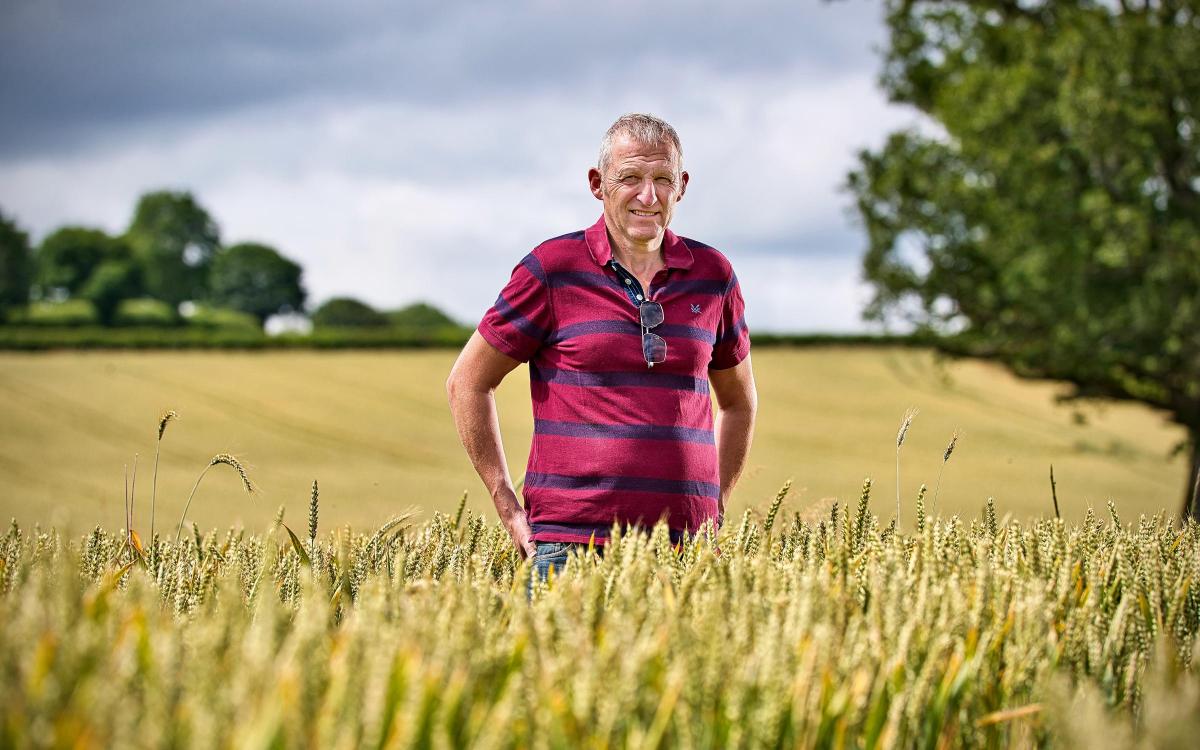
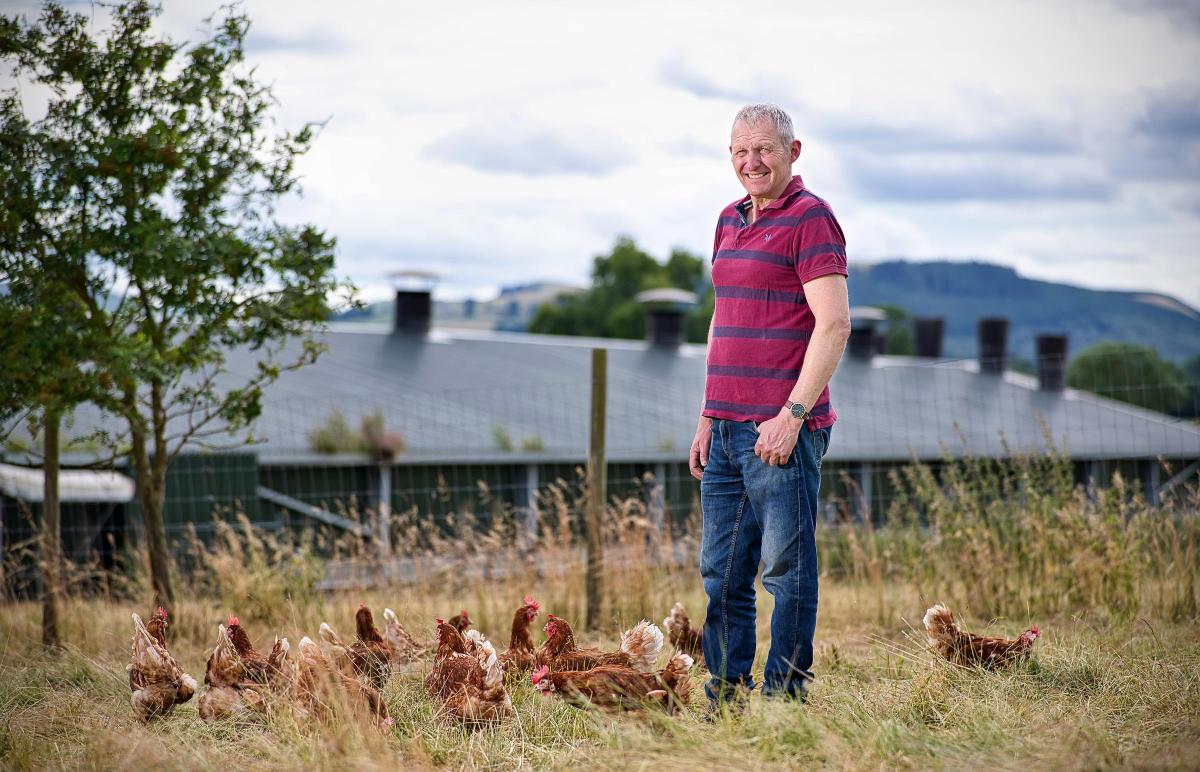
"The arable side feeds our livestock, the straw is used as bedding, the chicken muck goes back on the land, and the sheep graze the ground. It's a proper traditional mixed farm."

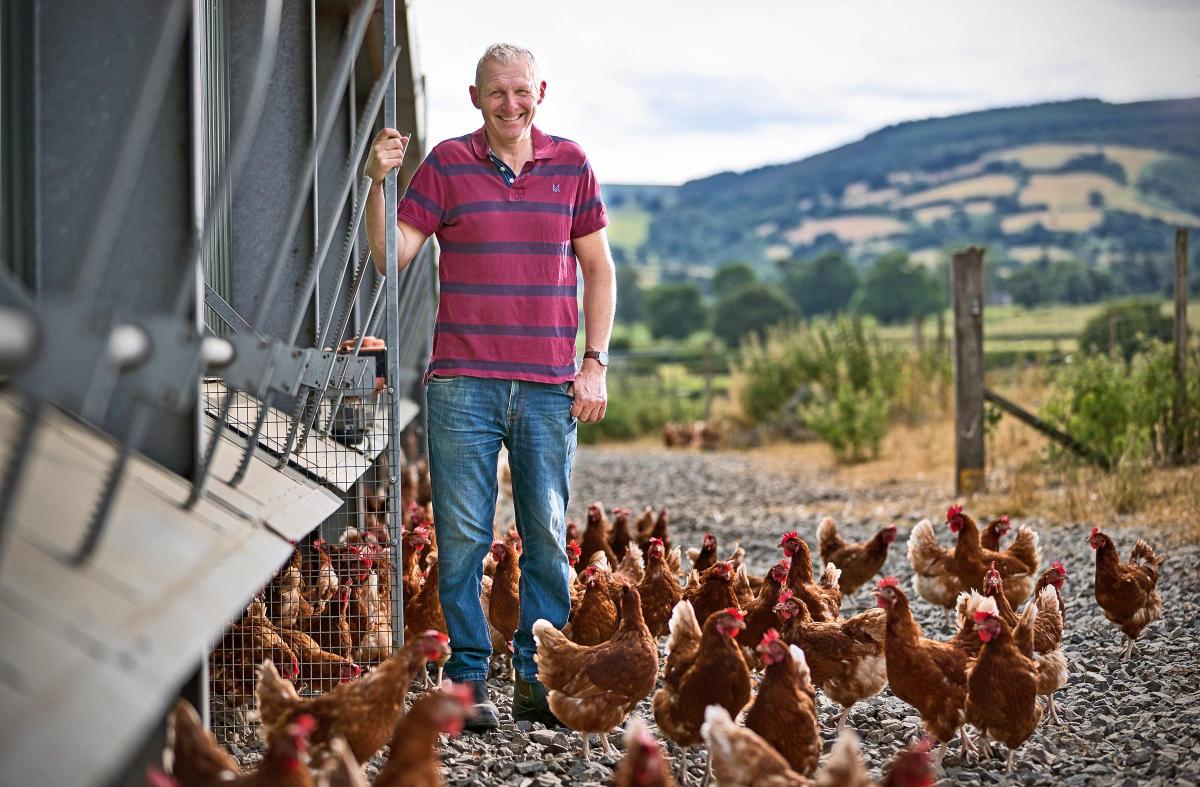
According to Farmers Weekly, the 170-hectare farm produces 12 million eggs in more than 80 weeks, fattens more than 1,000 lambs and 30 cattle each year, and regularly achieves wheat yields of 10 tonnes per hectare.
The laying hen enterprise was added in 2016 as the family looked to strengthen the business and create enough income to support an additional full-time employee.
Mr Matthews-Jones paid tribute to Jamie Layton Morris, who has worked on the farm for almost a decade.
"The main reason we put the chicken shed up was to employ somebody full time and be able to afford to pay them properly," he said.
"Jamie has been very much part of the business and part of the farm over the years."
The award celebration in London also saw the family's next generation play a vital role back home.
Mr Matthews-Jones and his wife Kate stayed overnight in the capital following the ceremony, leaving their 14-year-old twins, Cerys and Owen, to run the farm's egg operation alone for the first time.
"They'd never done the eggs on their own before," he said.
"I had to talk them through getting the machine working properly while we were coming back on the train, but they got it done."
Away from farming, Mr Matthews-Jones is well known through Radnor Valley Young Farmers' Club and previously served as chairman of Radnor YFC.
He continues to support younger people entering agriculture by welcoming veterinary and lambing students onto the farm.
"We've always got to have young blood coming through," he said.
"I can't guarantee my children will go into farming, but you've got to encourage the next generation."

Speaking about challenges facing the industry, he urged consumers to support British farmers and warned against lower-standard imports undermining UK agriculture.
"The biggest thing is for people to understand where their food comes from and always try to buy British," he said.
"We have very high standards in this country and we must maintain them."
The bright yellow Farmers Weekly plaque has now taken pride of place in the Matthews-Jones family home.
"It's in our kitchen," he said. "It's gone where the calendar used to be."
Judges described Mr Matthews-Jones as "a great example of a mixed farm working for now and the future", praising the health and performance of his livestock enterprises, the productivity of his laying hens and his commitment to supporting the next generation of farmers.


Share