


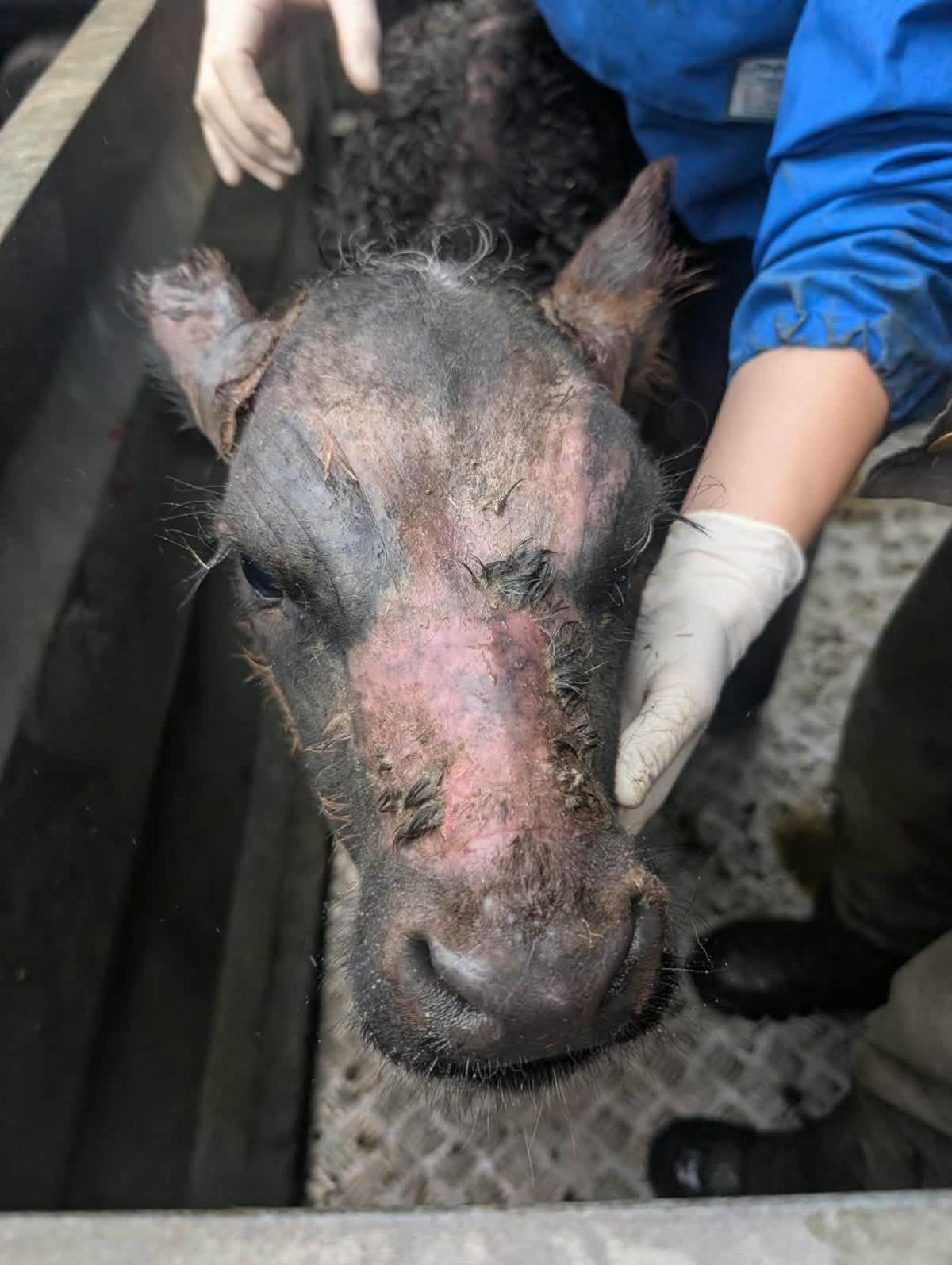


AN incredibly dry summer has led to a Powys veterinary practice coming across a very unusual case – of a calf being born with only half its body hair.
The case was shared by Builth Wells Veterinary Practice this week, who said low Vitamin A caused the condition.
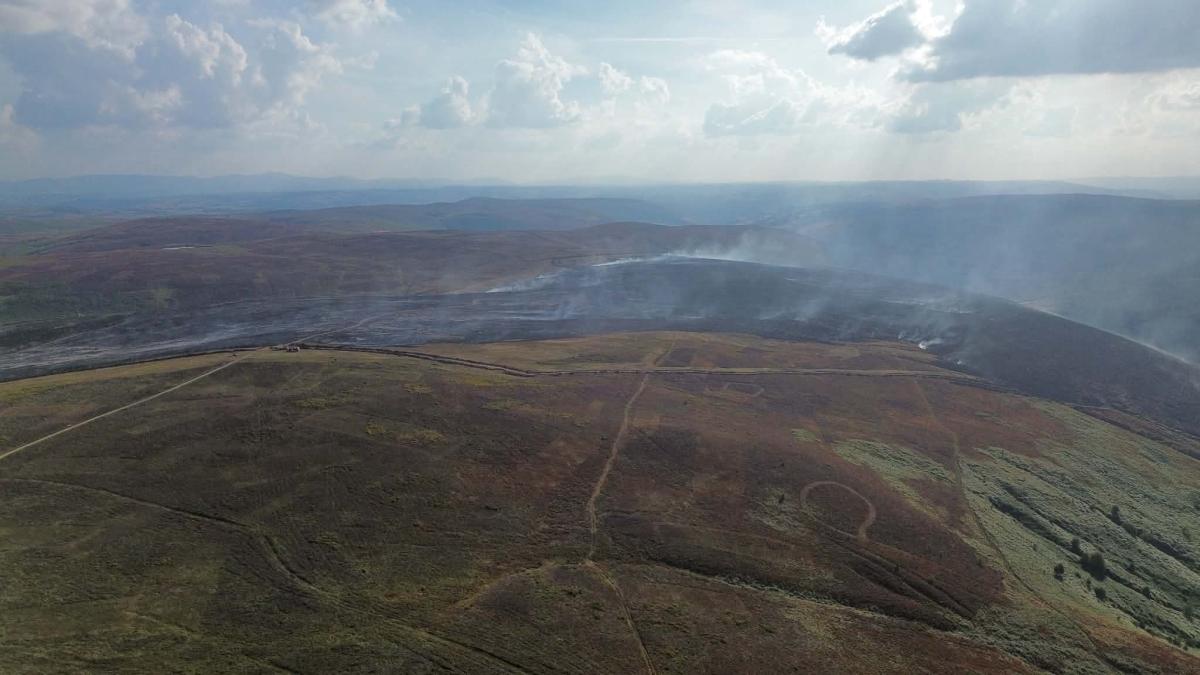
The very dry summer in Powys saw multiple wildfires across the region, and the usual lush grass that feeds cows in pregnancy was in short supply.

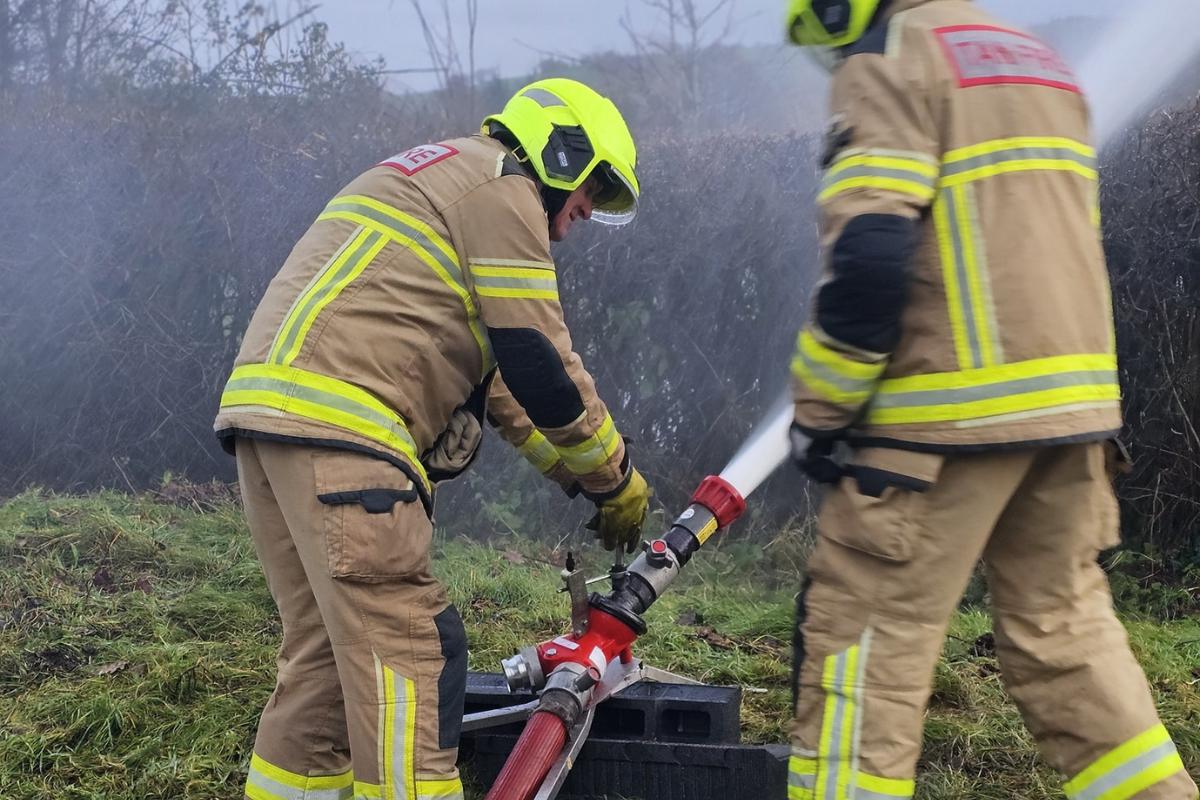
With 14 consecutive incidents ongoing at one time and fire zones identified in more than 50 locations, Wales had to declare four major incidents in the summer of 2026.
“We have recently seen a case of low Vitamin A in the practice,” said the vets, in a post on its Facebook page on Monday (November 16).
“Usually herds get sufficient Vitamin A from lush green grass, but thanks to the incredibly dry summer this wasn’t the case.
“Calves need Vitamin A in-utero and so the affected baby calf lost hair all over its body.
“Vitamin A is really important for vision, immunity, fertility and gut and lung linings in the body, so when it is low, increases in scour, pneumonia and barren cows/abortions can be common.”

If you suspect any of these signs in your herd, the practice is urging cattle owners to get in touch with the team on 01982 553271.
Alternatively, visit the Facebook page, builthvets.co.uk, or email info@builthvets.co.uk.
The practice added: “As we continue to have challenging hot dry summers, then buffer feeding with silage can be incredibly useful, as this still contains large amounts of b-carotene (how the animal gets Vitamin A) whereas sadly straw, concentrate and hay contain very small amounts.”


Share